Clasping-leaved coneflower
Rudbeckia amplexicaulis
Description
Clasping-leaved coneflower (Rudbeckia amplexicaulis) is a distinctive member of the Asteraceae family, recognized primarily for its leaves that appear to clasp the stem. This plant is a popular choice for gardeners seeking a long-blooming, high-impact flower that provides a touch of wild prairie beauty to any landscape design.
Native to the southern United States, this species has adapted to thriving in open habitats and meadows. Its natural resilience has allowed it to spread as an ornamental garden plant across various climate zones, where it is valued for its ability to withstand intense sunlight and moderate drought conditions.
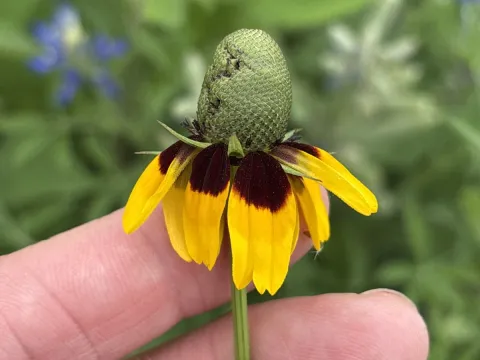
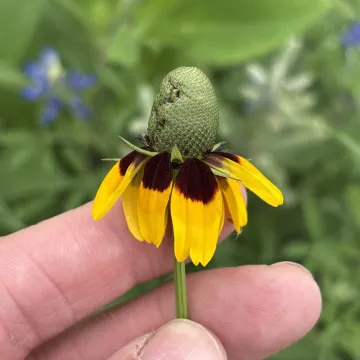
Botanically, the plant is characterized by its stiff, upright stems and unique flower heads. The central cone is notably prominent and dark, contrasting beautifully with the bright yellow, drooping ray florets. This structure not only adds architectural interest to the garden but also makes the plant a favorite for pollinators.
In terms of cultivation, this species thrives in full sun and prefers well-drained soil. It is relatively undemanding regarding nutrient levels, though it performs best in soils that do not remain waterlogged. Proper spacing is essential to encourage healthy growth and prevent the accumulation of excess humidity around the base of the stems.
The primary use of the plant is in ornamental horticulture, particularly in meadow-style gardens, borders, and pollinator habitats. While generally hardy, the plant can occasionally suffer from powdery mildew in humid, stagnant air conditions. Regular monitoring and maintaining good airflow are the best strategies to ensure a healthy and vibrant display throughout the growing season.
- Excellent drought tolerance once established.
- Long duration of bloom during the summer months.
- Unique foliage that adds textural interest.
- High attractiveness to bees and butterflies.
Photo gallery