
Ruellia ciliatiflora
Ruellia ciliatiflora
Description
Ruellia ciliatiflora is a perennial herbaceous plant belonging to the Acanthaceae family. Within the horticultural and agricultural sectors, it is primarily recognized for its ornamental value, characterized by its unique flower structure and vibrant coloration that adds aesthetic depth to managed landscapes and decorative gardens.
The species originates from South American regions, specifically Argentina and Uruguay, where it thrives in subtropical climates. In its native habitat, it prefers the dappled light of forest edges and humid environments. Today, its cultivation is largely focused on greenhouse production and ornamental gardening in regions with stable, warm temperatures.
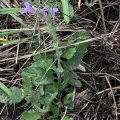
Botanically, this plant displays lanceolate leaves and striking, ciliate-edged flowers that provide its common scientific name. The blooms generally exhibit hues ranging from lavender to deep blue-violet. The plant structure is typically semi-shrubby, making it an excellent choice for border plantings and container arrangements in controlled environments.
Agricultural requirements for successful growth center on maintaining consistent soil moisture and warm temperatures. The soil should be fertile, well-draining, and slightly acidic to neutral in pH. Adequate lighting is crucial for flowering, although the plants perform best when protected from harsh, direct midday sun which can scorch the foliage.
The primary economic use for this species is in the nursery and ornamental plant trade. Growers must monitor for common pests such as spider mites and aphids, which can proliferate in dry greenhouse conditions. Fungal infections, particularly root rot, are the most frequent health issues, generally caused by poor drainage or overwatering. Proper irrigation management is essential for long-term vitality.
Photo gallery