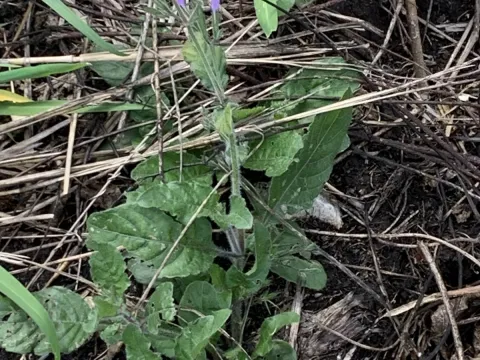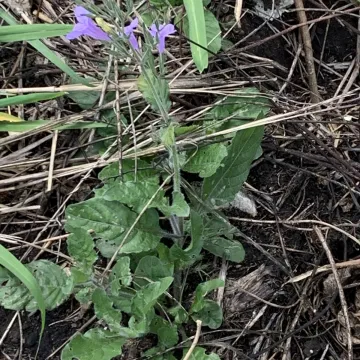
Ruellia nudiflora
Ruellia nudiflora
Description
Ruellia nudiflora is a perennial herbaceous plant belonging to the Acanthaceae family. Botanically, it presents as a compact to spreading subshrub, widely recognized for its adaptability to varying light conditions, which makes it a notable subject for ornamental horticulture in warm climatic zones.
The natural distribution range of this species extends from the southern United States, particularly Texas, through Mexico and into Central America. The plant thrives in open habitats, including prairies and forest edges, where it demonstrates high resilience and the ability to endure periods of moderate drought, outcompeting other vegetation in its native ecosystems.
Botanically, the plant is characterized by opposite leaves and typical acanthaceous flower morphology. The flowers usually display a tubular shape with five petals in shades of purple, blue, or white. A distinct feature of this species is its specialized seed capsules, which exhibit ballistic dehiscence, explosively scattering seeds across a significant distance upon reaching maturity.
For successful cultivation, Ruellia nudiflora requires well-drained soils with a neutral to slightly acidic pH. The culture prefers sunny locations but can tolerate partial shade. Proper agronomic management involves regular irrigation during the active growing season, while strictly avoiding waterlogged conditions in the root zone, which can predispose the plant to various root rot pathogens.
The primary economic and practical use of this plant is within landscape architecture and urban greening. Its low maintenance requirements make it suitable for borders, mass plantings in flower beds, and as a groundcover. Additionally, in several regions, researchers are investigating its role as a pollinator-friendly plant, capable of attracting various insect species to gardens and naturalized areas.
- High drought tolerance once the root system is established.
- Ease of propagation via seeds and stem cuttings.
- Resistance to most common garden pests.
- Ability to quickly regenerate following pruning or mechanical stress.
Photo gallery