Ruellia prostrata
Ruellia prostrata
Description
Ruellia prostrata is a perennial herb belonging to the Acanthaceae family. In agricultural and botanical practice, it is recognized as a trailing plant that functions effectively as groundcover, capable of spreading rapidly through stolons and rooting at the nodes, which makes it an excellent choice for stabilizing soil surface areas.
The plant originates from the tropical regions of Asia, specifically being native to environments with high humidity and consistent temperatures. Its natural distribution is largely concentrated in Indian and Southeast Asian ecosystems. As a crop, it requires similar conditions to thrive, making it suitable for tropical and subtropical cultivation zones where winter frosts are absent.
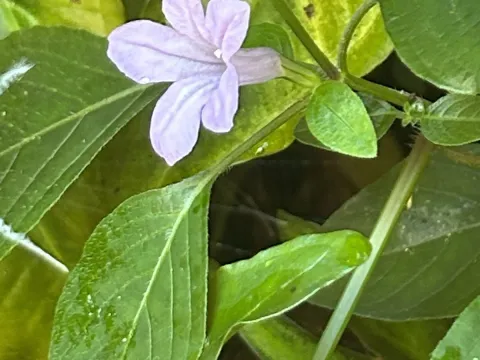
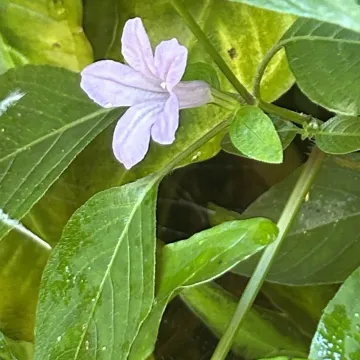
Botanically, Ruellia prostrata is characterized by its prostrate, spreading stems and oppositely arranged leaves, which often display a soft, hairy texture. The flowers are small, funnel-shaped, and usually bloom in shades of pale violet or lavender. This aesthetic quality, combined with its vigorous growth habit, makes it a popular plant in regional landscaping and specialized botanical collections.
Cultivation requirements involve maintaining moist, well-draining, and nutrient-rich soil. The plant thrives best in partial shade, as intense direct sunlight can sometimes scorch the foliage if moisture levels are insufficient. Regular maintenance, including pruning of overgrown stems, is essential for keeping the plant vigorous and encouraging more dense vegetative growth throughout the growing season.
The primary utility of the plant includes:
- Ornamental gardening for covering bare patches in shaded landscape areas.
- Soil erosion control on slopes where its rooting stems provide stability.
- Research into phytochemical properties for traditional medicinal applications.
Common plant health issues often stem from inadequate drainage, leading to root rot caused by various fungal pathogens. In terms of pests, spider mites and aphids are frequently observed, especially in dry, stagnant air conditions. Integrated pest management, including regular foliage inspection and maintaining optimal humidity levels, is crucial for sustaining healthy plant populations.
Photo gallery