Alpine dock
Rumex arifolius
Description
Alpine dock (Latin Rumex arifolius) is a perennial herbaceous plant belonging to the Polygonaceae family. It is a robust species naturally adapted to high-altitude environments, making it an excellent candidate for agricultural cultivation in temperate and cold-climate regions where other leafy greens might struggle.
Originating from the mountainous regions of Europe, the Alpine dock thrives in moist, nitrogen-rich soils. In its natural habitat, it is often found near alpine streams and in damp meadows. Its evolutionary history has endowed it with high frost resistance, allowing for consistent growth early in the spring season.
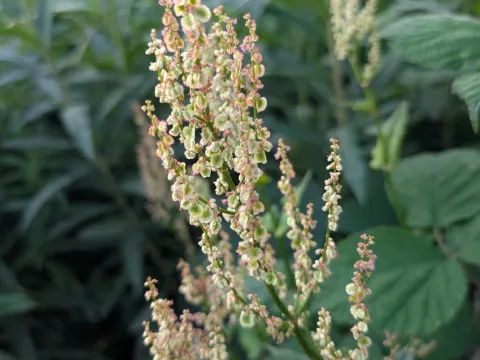
Botanically, the plant is characterized by a sturdy root system and a rosette of large, arrowhead-shaped leaves. These leaves possess a distinct acidic flavor profile, which is highly valued in various culinary traditions. The plant produces tall, branching inflorescences during the summer, which are typical of the Rumex genus.
The cultivation of Rumex arifolius requires well-drained but consistently moist soil, preferably rich in organic matter. To ensure high yields, regular irrigation is essential, especially during dry spells. Fertilizer application should focus on nitrogen supply early in the season to promote vigorous leaf production. Key cultural practices include frequent harvesting to prevent early flowering and maintain vegetative growth.
- Requires neutral to slightly acidic pH soil.
- Thrives in cool, temperate climates.
- Responsive to organic soil amendments.
Regarding utilization, the Alpine dock is primarily grown as a commercial or domestic vegetable crop. It is widely used in soups, sauces, and as a fresh green in salads. Common issues for farmers include leaf spot diseases and infestations of aphids or dock beetles, which can be managed through crop rotation and proper plant spacing.
Photo gallery