
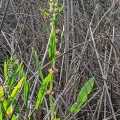
Two-tooth dock
Rumex bidens
Description
Two-tooth dock (Rumex bidens) is a perennial herbaceous plant belonging to the Polygonaceae family. This species is scientifically notable for its resilience and unique physiological adaptations that allow it to thrive in environments that would be challenging for many other agricultural crops.
The origin and natural habitat of this species are primarily associated with wetlands, marshy areas, and riverbanks. It has evolved to perform well in temperate climates where soil moisture is consistently high, making it a key player in the vegetation structure of its native ecological zones.
From a botanical standpoint, the plant is characterized by its robust root system and distinctive seed morphology, which gives it the name "bidens." The foliage is typically lush during the growing season, and the plant structure is designed to withstand the hydrological pressures found in its preferred damp habitats.
In terms of agricultural requirements, successful cultivation depends on the selection of moist, fertile, and nutrient-rich soils. While it is hardy and capable of surviving cold winters, the plant requires consistent moisture management to prevent stress during peak summer heat. Standard agronomic practices involve maintaining appropriate spacing and managing weed competition in the early stages of establishment.
The primary utility of Rumex bidens lies in land restoration, erosion control, and soil stabilization along waterways. It is also an area of interest for ecological management, where it provides structural integrity to the landscape. While not a primary human food crop, its role in ecological balance and potential as a niche forage species continues to be of interest to researchers.
- Excellent tolerance to saturated soil conditions.
- Effective root system for preventing soil erosion.
- High adaptability to various temperate climatic zones.
- Requires nitrogen-rich substrates for optimal biomass yield.
Photo gallery