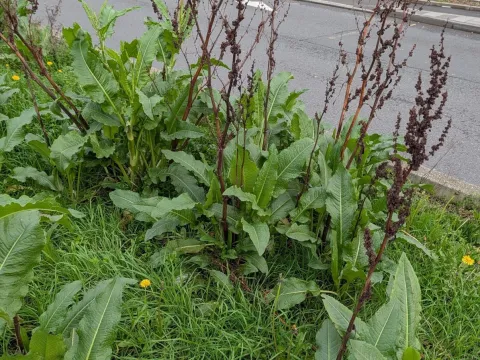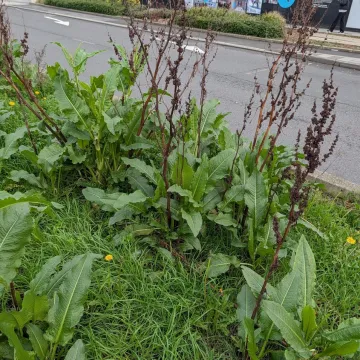
Greek dock
Rumex cristatus
Description
Greek dock (lat. Rumex cristatus) is a perennial herbaceous plant belonging to the Polygonaceae family. While often considered a niche agricultural crop compared to common sorrel, it provides a valuable source of early-season greenery. Its ability to thrive in diverse environments makes it a hardy addition to various cultivation systems, particularly in home gardens and small-scale farms.
The species originates from the Mediterranean basin, where it adapted to warm summers and mild, moist winters. Its historical range extends across Southern Europe and neighboring regions. Today, it is cultivated in various climatic zones where gardeners appreciate its ability to establish a permanent presence, as it does not require annual reseeding once established in a favorable location.
Botanically, the plant is characterized by a strong, deep-reaching root system and a rosette of fleshy, dark green leaves. During the reproductive phase, it produces tall, sturdy flower stalks. These morphological features reflect the plant's endurance and ability to extract nutrients efficiently from the soil, supporting rapid biomass accumulation during the early spring months.
Cultivation requires fertile, well-draining soils with a neutral pH level. While Greek dock is drought-tolerant once mature, consistent moisture promotes the growth of more succulent and palatable leaves. Standard agricultural practices, such as controlling weeds in the early stages and periodically applying nitrogen-rich organic amendments, are sufficient to maintain healthy and productive stands for several years.
- High tolerance to various soil types.
- Perennial nature reducing planting frequency.
- Significant resistance to cold spring temperatures.
- Adaptable to different light conditions.
The culinary use of Greek dock focuses on its nutritious leaves, which are used in traditional soups, vegetable stews, and as a flavor-enhancing ingredient in various dishes. Growers should monitor for common pests such as aphids or leaf-feeding beetles. Practicing good crop rotation and ensuring adequate plant spacing helps prevent fungal issues like rust or powdery mildew, ensuring a high-quality harvest.
Photo gallery