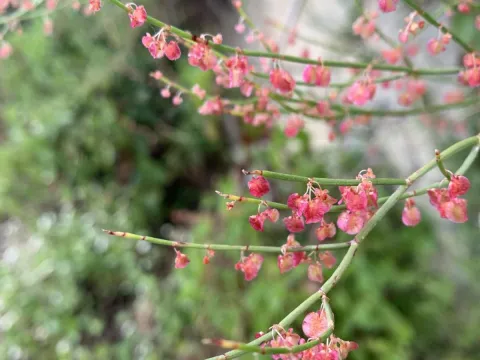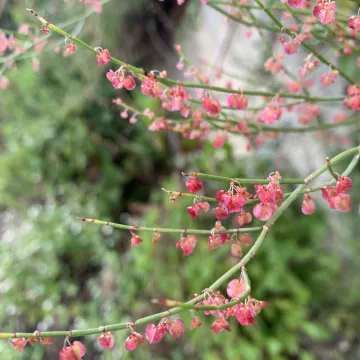
Halberd-leaved sorrel
Rumex hastatus
Description
Halberd-leaved sorrel (Rumex hastatus) is a perennial herb belonging to the Polygonaceae family. The plant is distinct for its arrow-shaped or halberd-shaped leaves, which give the species its scientific name. It is a resilient crop that has gained attention for its ability to thrive in harsh environments where other greens might struggle.
Originating from the mountainous regions of Asia, specifically areas like the Himalayas and parts of Pakistan, this plant is naturally adapted to rocky and dry substrates. Its geographic distribution allows it to be cultivated as a non-traditional vegetable crop in regions with similar semi-arid or temperate climates.
Botanically, Rumex hastatus is characterized by a strong root system and a semi-shrubby growth habit. It grows to a height of about 30 to 60 cm, producing dense, acidic leaves that are rich in oxalic acid. The plant is perennial, meaning it can provide harvests over several years if managed correctly, making it a sustainable choice for small-scale farms.
The cultivation requirements are centered around drainage and sun exposure. The crop thrives in well-draining soil, as it is prone to root rot in waterlogged conditions. It prefers neutral to slightly acidic soil and requires minimal intervention once established. During the growth phase, it is recommended to maintain weed-free rows and ensure adequate space between plants to promote air circulation.
Economically, the halberd-leaved sorrel is valued as a forage or food crop, often used in local culinary traditions for sour soups, fresh salads, or as a condiment. Regarding plant protection, producers must monitor for common pests such as aphids and fungal diseases like leaf spot. Maintaining healthy soil structure and practicing proper spacing are the most effective non-chemical ways to ensure a high-quality yield.
Photo gallery