Canary dock
Rumex lunaria
Description
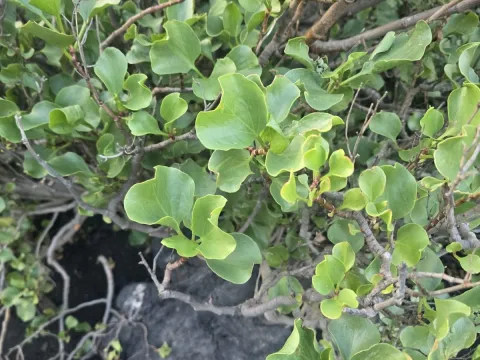
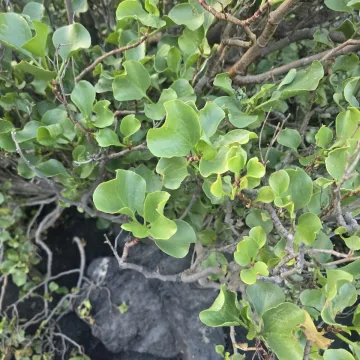
Canary dock (lat. Rumex lunaria) is a distinct perennial shrub belonging to the Polygonaceae family. Unlike common sorrel species that are typically herbaceous, this plant grows into a woody, multi-branched shrub, often reaching significant heights, which defines its unique niche in botanical and agricultural studies.
The species is native to the Canary Islands, thriving in subtropical climates. Its natural habitat is characterized by moderate temperatures and varying levels of precipitation, which has shaped its physiological adaptation to rocky and well-drained volcanic soils found in its home range.
Botanically, Rumex lunaria is defined by its robust, lignified stems and large, leathery, rounded leaves. It exhibits an impressive capacity for biomass production. Its root system is exceptionally deep-seated, which is an evolutionary adaptation for accessing moisture in arid or semi-arid environments.
Agricultural success depends on providing full sun exposure and soil with excellent drainage. It performs poorly in heavy, clay-rich, or waterlogged conditions, which can lead to rapid root decay. In managed systems, planting density and trimming techniques are essential to maintain productivity and prevent the plant from becoming too woody and less palatable.
The primary utility of the plant lies in its potential as a fodder crop in arid zones, where traditional forage might struggle. While generally hardy, the plant is susceptible to common pests such as aphids and, if humidity levels are consistently too high, various fungal pathogens. Regular monitoring and maintaining soil aeration are the best preventative measures for a healthy crop.
Photo gallery