Western dock
Rumex occidentalis
Description
Western dock (Rumex occidentalis) is a robust perennial herb belonging to the Polygonaceae family. Recognized for its significant size and resilience, this plant is native to North America, where it thrives in diverse environments, ranging from wet meadows to alpine slopes, demonstrating a remarkable capacity for environmental adaptation.
The origin of this species is firmly rooted in the North American continent. Historically, it has been observed in the wild across various northern regions, often associated with riparian zones and areas with high soil moisture. In an agricultural context, its cultivation is centered in regions where its specific ecological needs for cool temperatures and moist, fertile soil can be met.
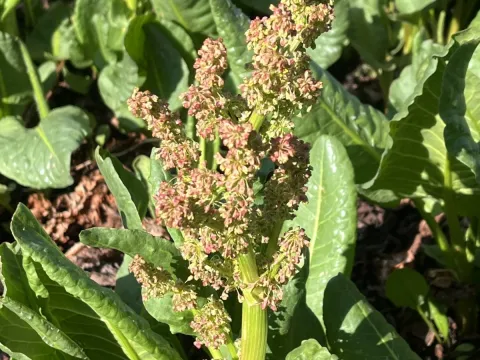
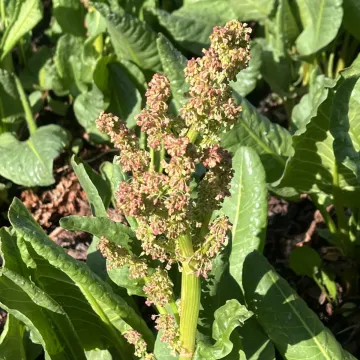
Botanically, Rumex occidentalis is characterized by its deep, well-developed taproot system, which supports a large rosette of lanceolate to oblong leaves. During the reproductive phase, the plant produces an elongated, branched inflorescence that can rise over a meter in height. Its physiological structure allows it to accumulate significant biomass, making it a focus for studies on productivity in perennial crops.
Regarding soil and climate requirements, the plant prefers deep, rich, and moisture-retentive soils. It is highly tolerant of frost and cold winters, which makes it suitable for northern agricultural zones. Effective cultivation requires consistent soil moisture, well-planned fertilization schedules with a focus on nitrogen to support foliage development, and periodic cultivation to maintain soil structure and prevent weed competition.
The economic and agricultural utility of Western dock covers several areas. It is utilized primarily for its edible, vitamin-rich leaves harvested in the early stages of growth. Furthermore, the plant's nutritional profile and hardiness make it a subject of interest for both forage development and as a source of medicinal compounds found within the roots and foliage, reflecting the multifunctional potential of the species.
- Excellent cold hardiness and winter survival.
- Requirement for sufficient moisture for optimal growth.
- Susceptibility to specific rust fungi in humid conditions.
- Potential as a supplemental forage crop in early spring.
Photo gallery