Narrow-leaved dock
Rumex stenophyllus
Description
Narrow-leaved dock (Latin: Rumex stenophyllus) is a perennial herbaceous plant belonging to the Polygonaceae family. This species is recognized for its adaptability and nutritional value, being a significant source of vitamins and organic acids in early spring. It represents an important, albeit less common, variety of sorrel used in agricultural and foraging practices.
The native range of Rumex stenophyllus spans across Eurasia, predominantly within temperate climate zones. It naturally thrives in moist meadows, riverbanks, and low-lying areas with high moisture retention. Its ability to colonize diverse environments makes it a resilient candidate for cultivation in regions with varying climatic conditions.
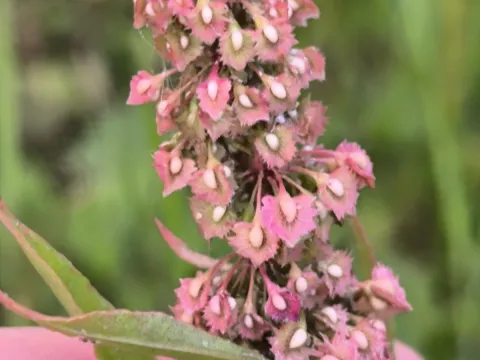
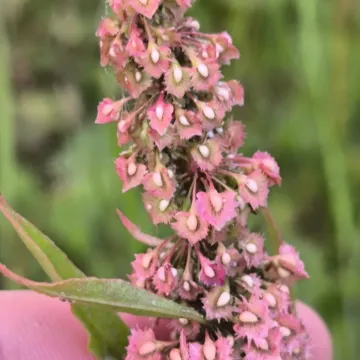
Botanically, the plant is characterized by its elongated, narrow lanceolate leaves and a robust, deep-penetrating taproot system. The stem is upright and can reach significant heights during the reproductive phase. The plant produces dense panicle inflorescences, which, in a gardening context, are often removed to divert the plant's energy toward leaf production throughout the season.
To achieve high yields, this crop requires fertile, moisture-retentive soils with a slightly acidic to neutral pH. It performs best in open, sunny locations but maintains productivity in partial shade. Essential cultivation practices include consistent soil hydration and the application of nitrogen-rich fertilizers following each harvest to promote rapid leaf regeneration.
The utility of narrow-leaved dock is primarily directed toward human consumption as a green leafy vegetable and as a supplemental fodder crop in specific agricultural systems. Despite its hardiness, the plant can be susceptible to various fungal pathogens, such as leaf rust and powdery mildew. Farmers should also monitor for common pests, particularly the sorrel beetle, to ensure the health and marketability of the crop.
Photo gallery