Triangular-valved dock
Rumex triangulivalvis
Description
Triangular-valved dock (Rumex triangulivalvis) is a perennial herbaceous plant belonging to the Polygonaceae family. Known for its distinct morphological features, this species is a member of the diverse Rumex genus, which plays a notable role in various ecosystems and agricultural landscapes throughout the temperate zones.
Originally native to North America, the species has demonstrated high environmental adaptability and has expanded its range across multiple continents. It typically thrives in moist meadows, riverbanks, and disturbed habitats, often acting as a pioneer species that stabilizes soil and supports local biodiversity in grasslands.
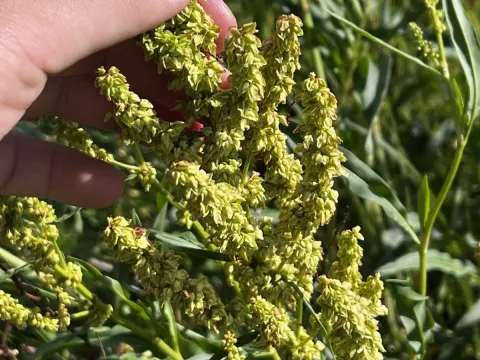
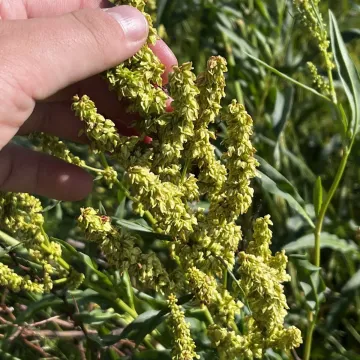
Botanically, the plant features a robust root system and upright stems that can reach significant heights under favorable conditions. The leaves are generally lanceolate, and the flowers are arranged in terminal panicles. The defining characteristic is the fruit segment (valves), which typically exhibits a triangular shape as the seeds reach maturity, providing a reliable diagnostic trait.
Regarding climate and soil requirements, this species prefers areas with consistent moisture levels and fertile soil, although it shows remarkable tolerance for a variety of soil textures. It is well-adapted to cooler climates and can withstand significant temperature fluctuations, which makes it a persistent presence in northern agricultural regions.
- Strong perennial root system for nutrient uptake.
- Adaptability to wet and heavy soil conditions.
- Rapid biomass development during the early growing season.
- Natural resilience against common environmental stressors.
In terms of agricultural use, Rumex triangulivalvis is frequently observed in pasture management and natural forage systems. While not always considered a primary crop, its nutritional contribution to grazing livestock in the spring is recognized by agronomists. It serves as a valuable component of the biodiversity that maintains soil structure in livestock-grazed areas.
Common diseases affecting this dock include rust fungi and leaf spots, which are more prevalent in areas with high humidity and poor air circulation. While insect pests like weevils or various leaf beetles may occasionally feed on the foliage, the plant's overall hardiness usually allows it to maintain population levels without the need for extensive chemical control programs.
Photo gallery