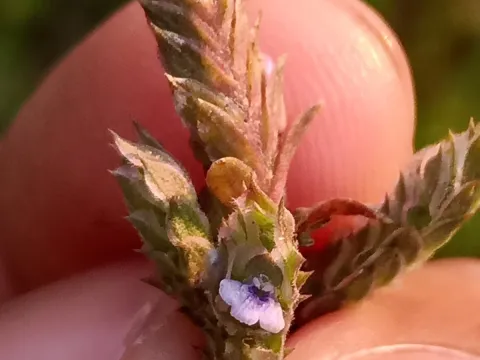

Mushroom plant
Rungia angustifolia
Description
The Mushroom plant (Rungia angustifolia) is a herbaceous perennial belonging to the Acanthaceae family. Widely recognized in gardening circles for the distinct taste of its fresh leaves, which strikingly resemble the flavor of fresh mushrooms, this plant has become a popular choice for gourmet home gardeners. It is a bushy, fast-growing crop that provides a continuous supply of edible foliage.
The origin of this species is traced to the tropical regions of Papua New Guinea, where it has been cultivated for centuries as an essential source of nutrition. Because of its tropical nature, the plant thrives in warm and humid environments. While it is a perennial in its native habitat, in temperate zones, it is typically grown as an annual or as a potted plant that requires protection from frost during the winter months.
Botanically, Rungia angustifolia is characterized by its glossy, dark green, lance-shaped leaves and succulent stems. The plant typically reaches a height of 50 to 70 centimeters and maintains a dense, sprawling habit if not pruned regularly. It produces small, blue, or violet flowers that add a subtle beauty to the plant, though harvest is usually concentrated on the leaves before the flowering stage occurs.
Agronomic requirements for the mushroom plant involve consistent moisture and well-draining, nutrient-rich soil with a neutral pH level. It prefers partial shade or dappled sunlight; intense, direct sun can easily scorch the leaves and stunt the plant's development. Propagation is most effectively achieved through stem cuttings, which root readily in water or moist soil, making it a highly accessible crop for amateur and professional growers alike.
In terms of хозяйственное usage, the mushroom plant is highly valued for its versatility in the kitchen. The leaves can be consumed fresh in salads, or cooked in soups and stir-fries, imparting a unique, earthy, mushroom-like flavor to dishes. Beyond its culinary appeal, it is also studied for its potential health benefits due to its iron content. The main threats to the crop include aphids and slugs, and special attention should be paid to preventing waterlogged soil, which can lead to root diseases.
- Rich in protein and essential vitamins.
- Easy to propagate via cuttings.
- Suitable for indoor and greenhouse cultivation.
- Unique aromatic profile similar to fungi.
Photo gallery