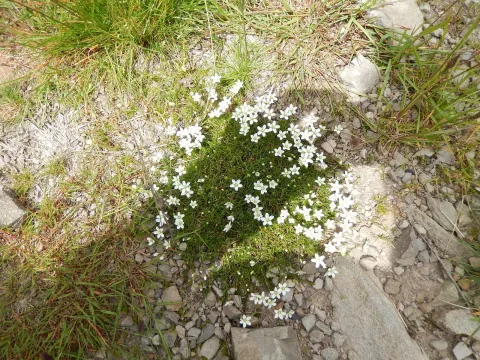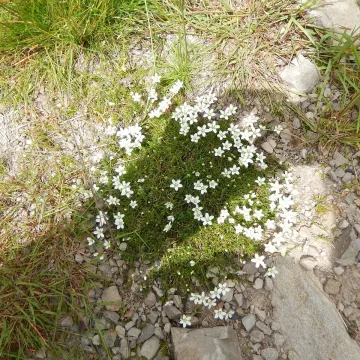
Sagina glabra
Sagina glabra
Description
Sagina glabra, commonly known as pearlwort, is a low-growing perennial herbaceous plant belonging to the Caryophyllaceae family. It is widely recognized in horticulture as a premier groundcover species, capable of forming a dense, emerald-green carpet that mimics the aesthetic of moss while offering superior resilience in garden settings.
The plant originates from the mountainous regions of Southern and Central Europe, where it naturally thrives in rocky crevices and alpine meadows. Due to its adaptability, it has become a staple in landscape design, especially for gardeners seeking a sustainable, low-maintenance alternative to traditional grass lawns that requires minimal physical intervention.
Botanically, Sagina glabra is characterized by its minute, needle-like leaves and compact growth habit, rarely exceeding a few centimeters in height. The foliage remains vibrant throughout the growing season, and during the peak of summer, the plant produces a profusion of small, solitary white flowers that create a delicate, carpet-like display.
Cultivation requirements involve providing well-drained soil with consistent moisture. While the plant thrives in full sun, it is tolerant of partial shade, making it versatile for various garden environments. Good soil aeration is essential to prevent root issues, and regular hydration is necessary, particularly during hot summer spells, to maintain the health and density of the mat.
- Constant moisture maintenance without waterlogging.
- Well-drained sandy or loamy soil substrates.
- Manual removal of encroaching weeds.
- Occasional light fertilization for enhanced color.
Typical issues encountered by growers include root rot caused by poor drainage and damage from slugs or snails during humid periods. Preventive measures involve maintaining good air circulation around the plants and avoiding overhead irrigation if possible. It is extensively utilized in rock gardens, between paving stones, and as an essential component of Japanese-style moss gardens.
Photo gallery