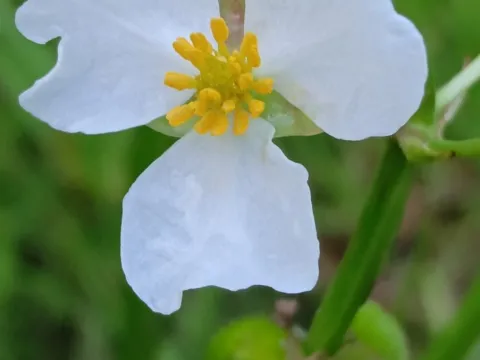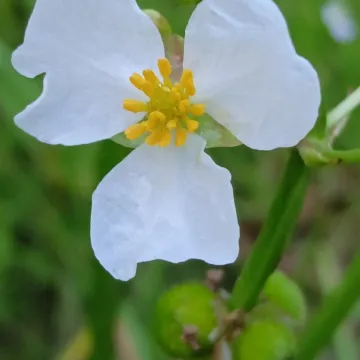

Chinese arrowhead
Sagittaria sinensis
Description
Chinese arrowhead (Latin: Sagittaria sinensis) is a perennial aquatic herbaceous plant belonging to the Alismataceae family. Recognized as a significant agricultural crop, it is primarily cultivated for its edible, starch-rich tubers, which serve as a staple or complementary food source in various Asian culinary traditions.
The plant originates from East and Southeast Asia, where it has been domesticated for centuries. Its commercial cultivation is largely restricted to regions with warm climates and specialized infrastructure, such as flooded fields, marshes, or controlled aquatic systems that mimic the plant's natural wetland habitat.
Botanically, the plant is characterized by its distinctive arrowhead-shaped leaves rising from underwater stolons. The reproductive and storage organs—the tubers—develop at the ends of these underground runners. These tubers are the primary yield component, accumulating energy reserves that the plant uses for regrowth and survival in aquatic ecosystems.
Cultivation requires specific environmental conditions, notably nutrient-rich, silty soils and a consistent water layer throughout the growing season. The plant thrives in temperatures ranging between +20°C and +30°C. Essential agricultural practices include monitoring water depth, managing plant density to optimize tuber size, and ensuring water quality to support healthy root and tuber development.
In terms of usage, the tubers are typically boiled or stir-fried, prized for their texture and starch content. Common pests include various aquatic insects and mollusks that can damage leaf tissues, while diseases often involve fungal pathogens that affect the foliage under stagnant or improper water conditions. Integrated pest management in aquatic environments is crucial for high yields.
- High starch concentration in tubers.
- Requires wetland or flooded field conditions.
- Significant role in Asian traditional food systems.
- Propagated primarily through vegetative stolons.
Photo gallery