Salsola genistoides
Salsola genistoides
Description
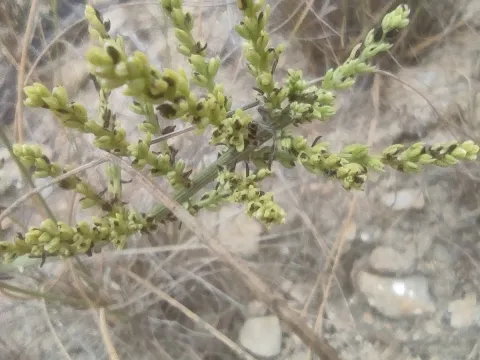
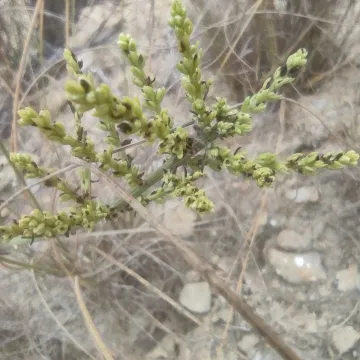
Salsola genistoides is a perennial subshrub belonging to the Amaranthaceae family. This species is a remarkable example of a xerohalophyte, evolved specifically to thrive in saline and arid environments where conventional agricultural crops would perish. Its biological structure is finely tuned to manage limited water resources and high salt concentration in the substrate.
The native range of the species extends across the Mediterranean basin, with significant concentrations found in North Africa and parts of the Iberian Peninsula. It is highly adapted to areas characterized by harsh sunlight, low annual precipitation, and sandy or rocky soils with high mineral content, maintaining growth in conditions that are otherwise hostile to plant life.
Botanically, the plant presents a dense, branched structure that provides stability against high winds. Its leaves are often succulent or reduced to minimize transpiration, a crucial adaptation for surviving long periods of drought. The root system is deep-reaching and extensive, allowing the plant to tap into deep-seated soil moisture reserves, which is the key to its survival during peak summer months.
The cultivation requirements for Salsola genistoides prioritize well-drained, porous soils. It is intolerant of waterlogged conditions, which can quickly lead to root rot. Successful management in an agricultural setting involves minimal intervention; the plant does not require high levels of fertilization but benefits from strategic spacing to reduce competition for available water in arid landscapes.
From a socioeconomic perspective, this species is utilized primarily in arid-zone forage production. It serves as a vital dietary source for livestock, particularly sheep and camels, during the dry season when other vegetation is scarce. Furthermore, its role in ecological restoration is significant, as it assists in the stabilization of degraded soils and prevents erosion in desertified regions.
- Extreme drought tolerance.
- High salinity adaptation.
- Valuable forage for arid rangelands.
- Soil stabilization and erosion control.
Photo gallery