Silver sage
Salvia argentea
Description
Silver sage (lat. Salvia argentea) is a distinctive perennial herb belonging to the Lamiaceae family. This species is primarily cultivated for its exceptional foliage, which is covered in thick, silvery-white woolly hairs, providing the plant with a unique, velvet-like texture that remains attractive throughout the growing season.
Originating from Southern Europe and the Mediterranean basin, the plant is naturally adapted to rocky terrains and dry climates. In horticultural practice, it is widely utilized as a decorative element in xeriscapes and perennial borders, thriving in regions that mirror its native habitat's environmental conditions.
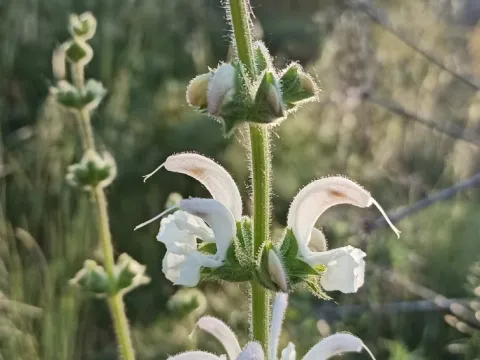
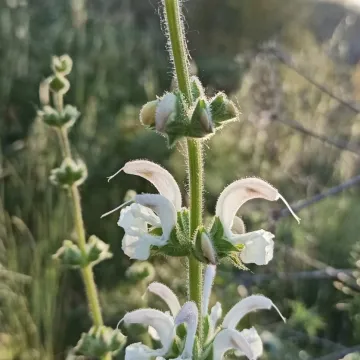
Botanically, the plant develops a large basal rosette of thick, crinkled leaves during its first year. In the second year, it produces impressive, branching spikes reaching heights of up to 90 cm, which bloom with white to pale yellow flowers. The root system is robust and taprooted, allowing the plant to tolerate significant periods of drought once established.
Successful cultivation of silver sage requires meticulous attention to drainage and light. It demands full sun exposure to maintain the intensity of its silvery foliage and prevent etiolation. The soil must be poor to moderately fertile, gritty, and exceptionally well-draining. Any prolonged winter moisture around the crown can lead to rapid decay of the plant.
- Selection of a location with full sunlight exposure
- Soil amendment with horticultural grit to ensure perfect drainage
- Regular removal of spent flower spikes to maintain foliage health
- Strict avoidance of heavy mulching directly against the plant crown
The primary use of silver sage is in ornamental landscaping, where its unique color serves as a focal point. Regarding plant health, the species is generally resilient to most pests. However, it is susceptible to fungal issues, including powdery mildew and root rot, which are almost exclusively caused by excessive atmospheric humidity or waterlogged soil conditions.
Photo gallery