Barrelier's sage
Salvia barrelieri
Description
Barrelier's sage (Salvia barrelieri) is a robust herbaceous perennial species belonging to the Lamiaceae family. Recognized for its unique botanical profile, this plant is increasingly studied for its agricultural potential, particularly in the production of essential oils and specialized phytochemical compounds.
Originating from the Mediterranean region, specifically the Iberian Peninsula and North Africa, the plant has evolved to thrive in warm, temperate environments. Its natural habitat includes rocky slopes and scrublands, which contributes to its resilience and ability to establish in moderately nutrient-poor soils compared to other horticultural crops.
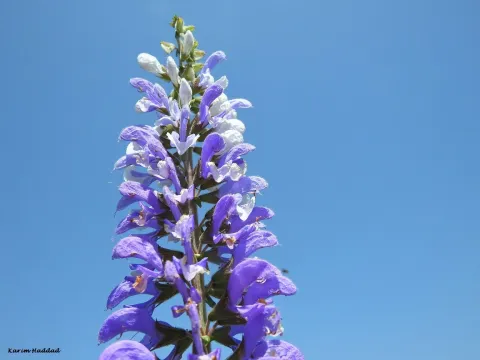
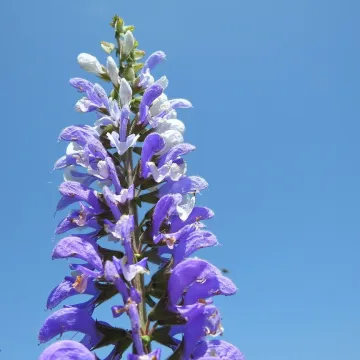
The morphology of the plant is defined by its large, deeply lobed basal leaves and impressive inflorescences that can reach over a meter in height. The flowers, typically shades of violet-blue, bloom on branched stalks, providing high visual impact while also serving as a valuable nectar source for pollinators in agricultural landscapes.
Regarding agronomic requirements, the plant prefers well-drained, alkaline or sandy soils with full sun exposure. Soil moisture management is essential; while drought-tolerant once established, the roots are sensitive to waterlogging. Planting should be spaced adequately to ensure sufficient air circulation, which is vital for preventing humidity-related diseases in dense stands.
Commercial utilization of Salvia barrelieri spans from pharmaceutical extracts to ornamental landscaping. Crop protection focuses primarily on monitoring for typical Lamiaceae pests such as aphids and spider mites, as well as managing fungal pathogens like powdery mildew, which can occur during periods of high humidity and poor ventilation.
Photo gallery