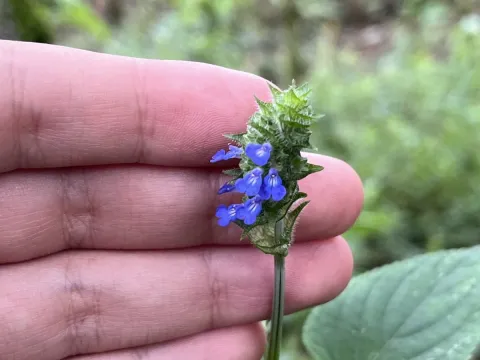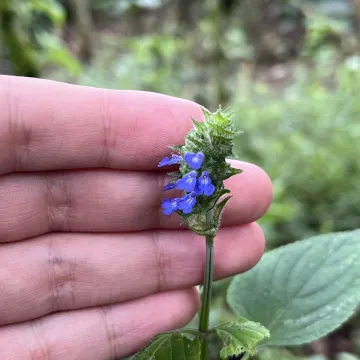
Salvia hyptoides
Salvia hyptoides
Description
Salvia hyptoides is a perennial herbaceous plant belonging to the Lamiaceae family. As an agricultural crop, it is recognized for its unique botanical profile and potential utility in various industrial sectors, including pharmaceuticals and horticulture. The species exhibits distinct vegetative features that require specific management strategies to maximize yield and plant health.
The plant originates from regions of South America, typically found in mountainous or sub-alpine environments. Its natural habitat suggests a preference for moderate climates with stable moisture levels. While it has specific requirements for successful cultivation, its ability to adapt to well-managed agricultural settings has made it a subject of interest for local botanical research and specialized crop production.
Botanically, Salvia hyptoides is characterized by its hardy root system and erect, often pubescent, stems. The foliage is typically opposite, and the inflorescence consists of distinct, clustered flowers that attract various pollinators. These morphological traits are essential for identification and play a role in the plant's physiological response to light exposure and environmental stress.
The agronomy of this crop centers on soil structure and drainage. It thrives in neutral to slightly alkaline, well-drained soils that prevent root stagnation. In commercial settings, farmers must ensure adequate spacing between rows to promote air circulation, which is vital for preventing moisture-related issues. Consistent irrigation management is necessary, especially during the early stages of plant development and during peak growth periods.
Primary хозяйственное usage of the crop includes:
- Extraction of secondary metabolites for medicinal and cosmetic industries.
- Utilization as a specialized crop in aromatic herb production.
- Role in landscape architecture for drought-tolerant garden design.
- Contribution to genetic diversity in Salvia breeding programs.
Common pests and diseases include powdery mildew, which can significantly damage leaf tissues if humidity remains high for prolonged periods. Pests such as aphids and spider mites are also frequently observed, especially in greenhouse conditions or poorly ventilated fields. Management involves monitoring pest populations, utilizing sustainable pest control methods, and maintaining soil fertility to ensure the overall vigor of the plantation.
Photo gallery