Runcinate sage
Salvia runcinata
Description
Runcinate sage (Salvia runcinata) is a perennial herbaceous plant belonging to the Lamiaceae family. The species is scientifically recognized for its distinct, deeply lobed leaves which give it a jagged, runcinate appearance, setting it apart from more common garden sage varieties.
The plant originates from Southern Africa, where it thrives in arid and semi-arid grassland environments. Its natural habitat includes rocky terrain and nutrient-poor soils, which has shaped its physiological resilience to extreme heat and periodic water scarcity, making it an interesting candidate for xeriscaping.
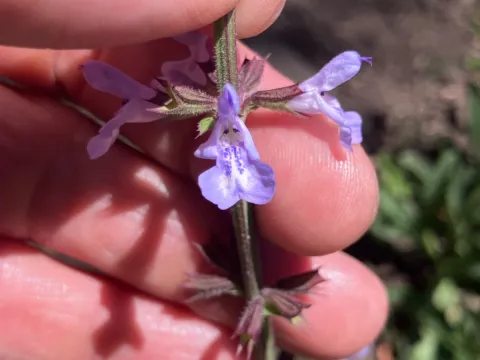
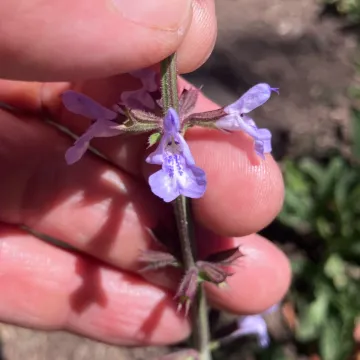
Botanically, it forms a compact structure with woody stems at the base and foliage that is often textured or pubescent. The flowers appear in clusters on upright spikes, typical of the genus Salvia, and generally exhibit shades of purple or violet, providing a significant aesthetic value during the blooming phase.
Regarding agricultural requirements, Salvia runcinata demands high solar exposure and well-drained substrate conditions. It is highly intolerant of heavy, waterlogged clays which lead to root rot. Successful cultivation requires a careful balance of irrigation, prioritizing the prevention of moisture accumulation around the root collar.
While primarily valued in botanical collections, this species offers potential for research in phytochemical production. Common phytosanitary issues include powdery mildew under poor ventilation and potential infestations of aphids or spider mites, which can be managed through integrated pest control practices and proper cultural management.
Photo gallery