Salvia sclareoides
Salvia sclareoides
Description
Salvia sclareoides is a perennial herbaceous plant belonging to the Lamiaceae family. Often studied for its essential oil properties, this species is a close relative of other aromatic sages and has garnered interest for small-scale medicinal and aromatic crop production.
The plant is native to parts of Southern Europe and the Mediterranean region. It thrives in open, sunny habitats and is naturally adapted to limestone or rocky soil conditions. Its resilience to various environmental stressors makes it an interesting candidate for low-input agricultural systems in Mediterranean-like climates.
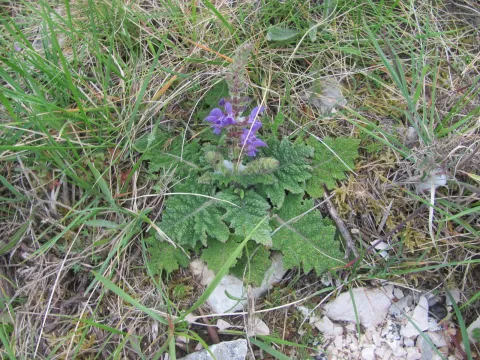
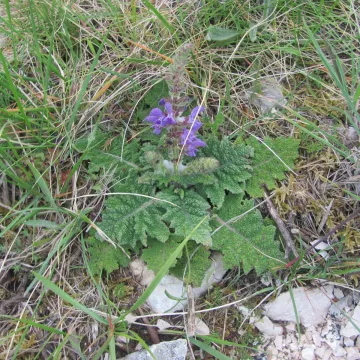
Botanically, Salvia sclareoides is characterized by its distinct foliage and dense inflorescences. The plant surface is typically covered with glandular hairs, which are the primary sites for essential oil synthesis. It blooms in late spring and early summer, presenting a display of flowers that are highly attractive to pollinators.
Agricultural requirements focus on well-drained, porous soils. Waterlogging is a significant threat to root health, so field selection should prioritize elevated sites or sloped terrain. Proper crop management involves early-season weeding and strategic fertilization to support biomass development before the flowering phase begins.
The industrial use of this crop is primarily focused on its phytochemical profile, which is useful in the cosmetic and flavoring industries. Additionally, it is used in traditional herbal medicine for its anti-inflammatory properties. As an agricultural product, it is favored for its long-term viability as a perennial crop once established.
- Drought-tolerant perennial growth habit.
- Essential oil production potential.
- Highly beneficial for local pollinator populations.
Photo gallery