
Samanea saman
Samanea saman
Description
Samanea saman, widely known as the rain tree, is a large, majestic species belonging to the Fabaceae family. This tropical tree is renowned for its iconic, wide-spreading umbrella-shaped canopy, which provides extensive shade and creates a unique microclimate beneath its branches.
Native to the tropical regions of Central and South America, the tree has been widely naturalized in many tropical areas across the globe, including Southeast Asia and the Caribbean. Its adaptability has made it a preferred choice for reforestation and landscape management in diverse tropical environments.
Botanically, Samanea saman is characterized by its bipinnate leaves that exhibit nyctinasty—a biological process where leaflets fold together at night or during overcast, rainy weather. This adaptation allows the tree to manage light exposure and permits light rain to reach the ground, preventing the understory from drying out.
The tree thrives in hot and humid climates, demonstrating notable resilience to various soil types, ranging from sandy soils to heavier clays. Optimal growth requires full sun exposure and adequate space for its sprawling roots. Agricultural management involves routine pruning in the early stages to encourage structural integrity and canopy development.
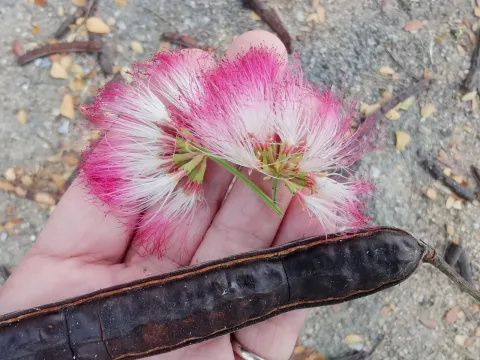
Economically, the tree serves as a vital component in agroforestry, providing shade for coffee and cocoa plantations as well as livestock grazing areas. Its pods are a nutritious forage supplement, and its wood is highly prized for furniture making due to its beautiful grain, durability, and resistance to decay.
- Nitrogen-fixing capabilities.
- Excellent shade provision for livestock.
- High biomass production.
- Timber used for artisan woodwork.
Photo gallery