Kamchatka elderberry
Sambucus kamtschatica
Description
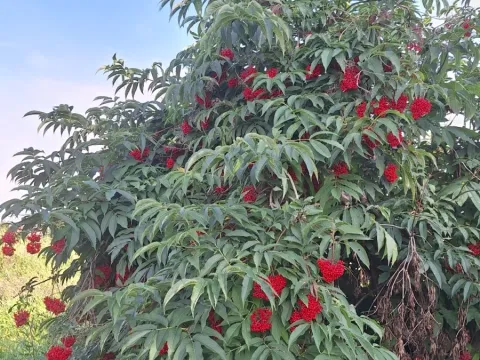
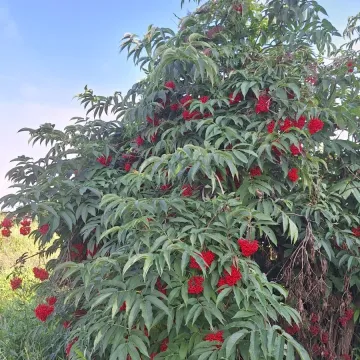
Kamchatka elderberry (Sambucus kamtschatica) is a deciduous shrub that belongs to the Adoxaceae family. Native to the Far Eastern regions, including Kamchatka, Sakhalin, and parts of Japan, this plant has evolved to thrive in cool, humid environments with significant winter snow cover. It is highly valued for its extreme hardiness and its ability to withstand severe climatic stress.
Botanically, the plant develops into a vigorous shrub that typically reaches heights of 1.5 to 3 meters. It features pinnate leaves and produces dense, flat-topped cymes of white or cream-colored flowers in early summer. The fruits are small, dark berries that ripen into clusters, providing an essential food source for local wildlife and serving as a raw material for various extracts and traditional preparations.
In terms of agricultural requirements, the species performs best in rich, moist, and well-drained soils. While it can handle partial shade, the plant reaches its peak productivity when exposed to sufficient sunlight. Proper maintenance includes regular mulching to keep the root zone cool and moist, as well as an annual pruning routine to remove unproductive older wood and improve air circulation through the canopy.
The economic use of this elderberry variant spans several sectors, including food processing and landscaping. Its cold tolerance makes it a preferred choice for northern gardens and reforestation projects. The berries contain compounds that are frequently studied for their health-promoting properties, making them a niche commodity for producers of herbal supplements and natural food colorants.
Common issues encountered during the cultivation cycle include:
- Powdery mildew outbreaks in stagnant or humid conditions.
- Aphid infestations which may stunt new shoot growth.
- Root rot caused by poor soil drainage.
- Bacterial leaf spot occurring during seasons with excessive rainfall.
Photo gallery