Peruvian elderberry
Sambucus peruviana
Description
The Peruvian elderberry (Sambucus peruviana) is a robust perennial shrub or small tree belonging to the Adoxaceae family. Widely recognized in its native South American range, particularly in the Andean regions, this species is valued for its hardiness and ability to produce consistent harvests in high-altitude environments.
Originating from the mountain regions of Central and South America, the plant thrives in cool, temperate climates. It is well-adapted to varied elevations, typically found between 2000 and 3500 meters above sea level, where it plays a significant role in local biodiversity and traditional agriculture as a source of fruit and medicine.
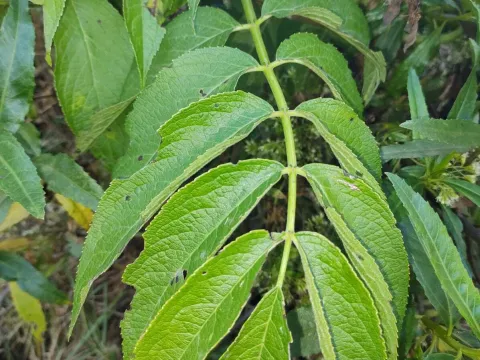
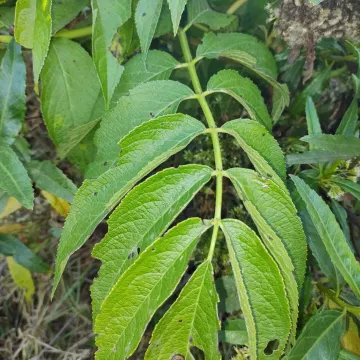
Botanically, Sambucus peruviana displays pinnate, opposite leaves and bears clusters of small, fragrant white flowers. The fruit consists of juicy, dark purple to black berries that grow in large panicles. Its root system is extensive and fibrous, providing the plant with excellent stability and the ability to access water in deeper soil profiles.
Cultivation requirements focus on providing well-drained, nutrient-rich soils with a slightly acidic to neutral pH. Agricultural management involves periodic thinning and pruning to enhance light penetration and airflow through the canopy, which is essential for fruit development and preventing fungal issues such as powdery mildew or rust in humid conditions.
- Commercial usage: widely processed into jellies, syrups, and functional foods.
- Pest management: regular monitoring for aphids and spider mites.
- Harvesting: berries are gathered when they reach full color intensity.
Beyond its culinary utility, the plant is increasingly studied for its high antioxidant and anthocyanin content, making it a subject of interest for both the nutraceutical industry and local farming communities. With proper soil preparation and maintenance, this species represents a promising crop for diversified agricultural systems in suitable climate zones.
Photo gallery