Hakusan burnet
Sanguisorba hakusanensis
Description
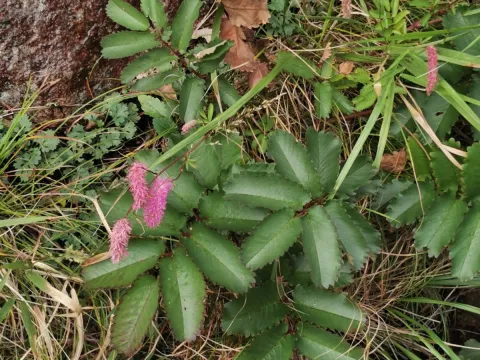
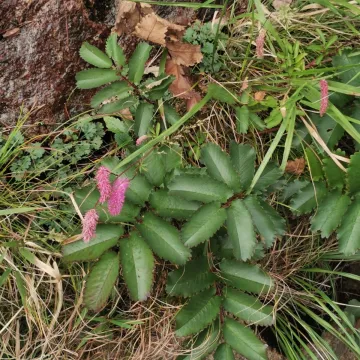
Sanguisorba hakusanensis, commonly known as Hakusan burnet, is a perennial herbaceous plant belonging to the Rose family (Rosaceae). It is highly prized in horticulture for its distinctive, pendulous, catkin-like flowers that sway gracefully in the breeze, providing a unique texture to any planting scheme.
The species originates from the mountainous regions of Japan, particularly the slopes of Mount Hakusan. Due to its alpine origins, the plant is remarkably hardy and well-adapted to cooler temperate climates, allowing it to thrive in diverse garden environments across many regions.
Botanically, it is characterized by an attractive mound of pinnate foliage. During mid-to-late summer, the plant produces tall, arching flower spikes that bear soft pink to magenta cylindrical inflorescences. These spikes can reach heights of up to 120 centimeters, creating an elegant visual presence.
For successful cultivation, Hakusan burnet requires a deep, moist, yet well-drained soil rich in organic matter. It performs best in full sun or light shade. Routine agricultural practices include regular watering during dry spells and light maintenance, such as cutting back the foliage in early spring to encourage fresh, healthy growth.
The primary use of this plant is ornamental, often utilized in modern naturalistic landscapes, borders, and meadow-style plantings. It is generally resistant to pests and diseases. However, growers should monitor for root rot if the planting site is poorly drained or stays perpetually waterlogged.
Photo gallery