Large-fruited burnet
Sanguisorba megacarpa
Description
Large-fruited burnet (Sanguisorba megacarpa) is a robust perennial herb belonging to the Rosaceae family. This species is recognized for its agricultural versatility, serving as a reliable source of green mass for fodder and possessing secondary metabolites that are valuable for pharmaceutical applications.
The plant originates from the Far Eastern regions, naturally occurring in subalpine meadows and riparian zones. Its native distribution indicates a high tolerance for cold environments, humidity, and varying soil compositions. These ecological traits make it a candidate for sustainable cultivation in regions where traditional forage crops struggle with harsh winter temperatures.
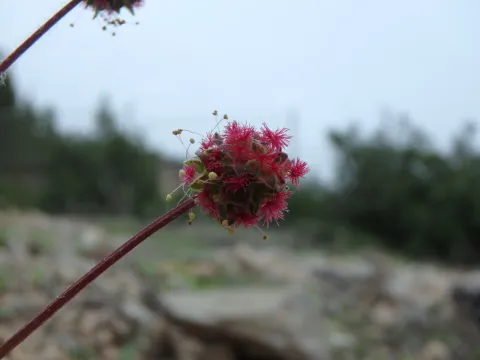
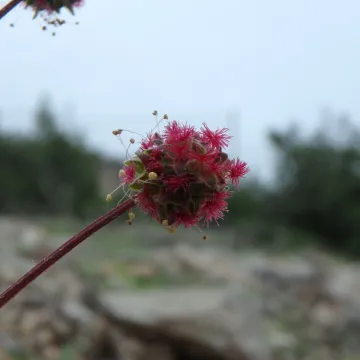
Botanically, it is characterized by a strong rhizome system and upright stems that reach significant heights. The leaves are pinnate, providing a dense canopy that helps suppress weed competition in established stands. The flowers appear in dense, decorative spikes, and the fruit is notable for its larger size, which provides the species with its specific scientific name and distinguishes it from other Sanguisorba varieties.
Success in cultivation requires fertile, well-draining soils with a neutral pH level. The plant is adaptable but performs best in full sun or light shade. Agronomic maintenance includes routine weeding in the establishment phase and adequate fertilization to support the development of the root system. Once mature, the crop becomes highly resistant to environmental stressors and requires minimal intervention.
- Production of nutrient-rich forage for livestock.
- Extraction of medicinal compounds for pharmaceutical use.
- Soil stabilization on hillsides to prevent erosion.
- Decorative planting for meadows and naturalistic landscaping.
Typical disease threats include powdery mildew and localized fungal spots, especially in areas with poor ventilation. Pests such as leaf-eating beetles and root-feeding insects may occasionally affect yields. Management of these issues involves ensuring proper plant spacing to facilitate airflow and using targeted biological or chemical control methods when infestation thresholds are exceeded.
Photo gallery