Sitka burnet
Sanguisorba stipulata
Description
Sitka burnet (lat. Sanguisorba stipulata) is a perennial herbaceous plant belonging to the Rosaceae family. It is recognized in agronomy as a vigorous crop capable of producing significant biomass, making it a valuable resource for forage production and land reclamation in suitable climatic zones.
The species is native to the Far East, specifically regions such as Sakhalin and Japan, where it thrives in moist meadows and riverine environments. Its adaptation to cool, humid climates makes it an excellent candidate for cultivation in northern latitudes where other forage crops might struggle with winter dormancy or temperature fluctuations.
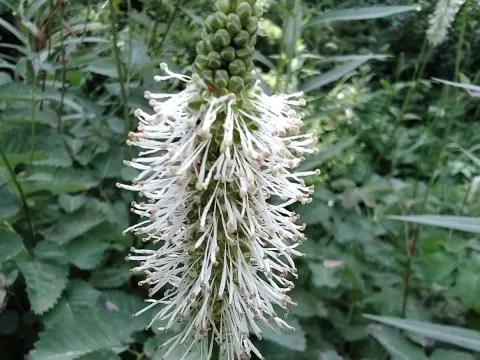
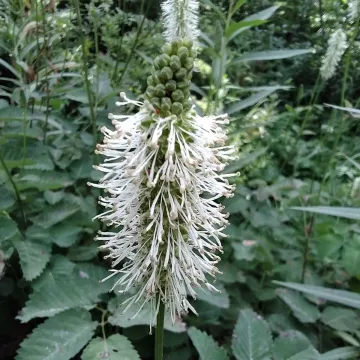
Botanically, the plant is characterized by sturdy, upright stems that can reach heights of 1.5 meters. It features large, pinnate leaves with prominent stipules and dense, spike-like inflorescences that vary in color from white to pale pink. A robust, spreading root system allows the plant to anchor effectively in various soil types while efficiently accessing nutrients.
Agricultural requirements for Sitka burnet focus on moisture management and soil fertility. It performs best in loam soils that retain moisture without becoming waterlogged. Maintenance involves periodic fertilization, particularly with nitrogen and potassium, to support rapid growth cycles. In terms of crop protection, the species is generally resilient, though monitoring for common leaf spot diseases is recommended in high-humidity areas.
The primary agricultural use of Sitka burnet is as a high-quality forage crop, providing nutritious green fodder and hay for livestock. Beyond its nutritional value, the plant's dense root structure makes it an effective tool for erosion control, helping to stabilize soil on slopes or along watercourses in managed agricultural landscapes.
- Excellent biomass production for forage systems.
- High tolerance to cold temperatures and winter conditions.
- Significant utility in soil stabilization and erosion prevention.
- Good nutritional profile for cattle and small ruminants.
Photo gallery