Wood sanicle
Sanicula europaea
Description
Wood sanicle (Sanicula europaea) is a perennial herbaceous plant belonging to the Apiaceae family. It is a shade-loving species native to woodlands across Europe and parts of Asia. Within agricultural and botanical studies, it is recognized for its historical use in herbal medicine and its role in maintaining woodland biodiversity.
The plant originates from the deciduous forests of Eurasia, where it thrives in moist, humus-rich soils. Its natural range extends from the British Isles across the continent to the Caucasus mountains. In a controlled cultivation setting, it requires a shaded environment that mimics its native habitat's cool and protected conditions.
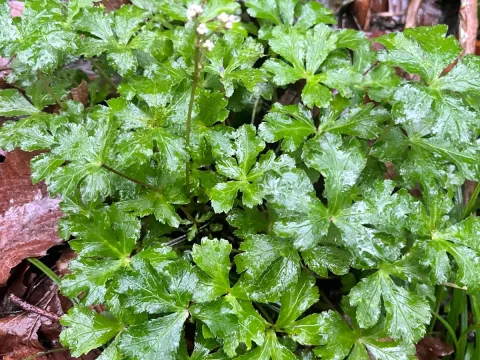
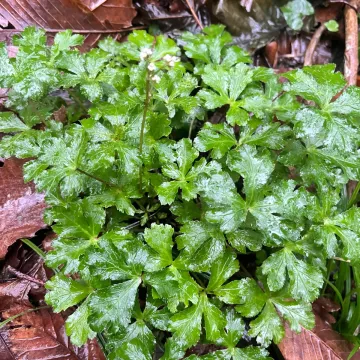
Botanically, Wood sanicle features a rosette of glossy, palmately-lobed basal leaves and upright flowering stems that rise to a height of about half a meter. The flowers are small, often white or pale pink, arranged in tight, spherical umbels. Its seeds are equipped with hooked prickles, an evolutionary adaptation for dispersal via animal transport.
Agrotechnical requirements for growing Sanicula europaea involve meticulous moisture management. The soil must remain consistently damp but never waterlogged to prevent root rot. It thrives in soils with a slightly acidic to neutral pH. Propagation is best achieved through division of the rootstock in early autumn or by sowing seeds in prepared, shaded nursery beds.
The primary economic use of this plant is found in traditional phytotherapy. Extracts are known for their astringent and anti-inflammatory properties, frequently used in the past to treat skin irritations and wounds. Growers should remain vigilant against common pests such as aphids and fungal diseases, particularly powdery mildew, which can develop if air circulation is insufficient in crowded plantings.
Photo gallery