Sapium glandulosum
Sapium glandulosum
Description
Sapium glandulosum is a tree species belonging to the Euphorbiaceae family. Often recognized for its rapid growth rate, it serves as an important biological component in various tropical and subtropical agroforestry systems, contributing to soil stability and biomass production.
The native range of this species extends across Central and South America. It is typically found in humid forests and secondary growth habitats, thriving in regions with high precipitation. Its ecological plasticity allows it to colonize diverse landscapes, making it an excellent candidate for land reclamation projects.
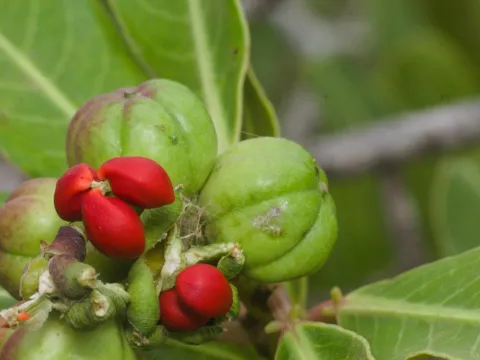
Botanically, the plant is characterized by its alternate leaves and the presence of glandular structures on the petioles. It produces small, unisexual flowers arranged in terminal spikes. The tree maintains a milky latex throughout its tissues, a hallmark of the family, which acts as a natural defense mechanism against herbivores.
The cultivation requirements for Sapium glandulosum focus on well-drained, fertile soils and a tropical climate with no risk of severe frost. While it is relatively hardy, young seedlings require protection from excessive weed competition. Maintenance involves light pruning to ensure structural integrity and improve the growth of the main trunk.
Economically, the timber of this species is valued in the packaging and light construction industries due to its soft texture and workability. Beyond timber production, the tree is studied for its potential in producing secondary metabolites found in its latex. Common health issues include fungal leaf spots under high humidity, while pest pressure is generally managed through integrated pest management strategies.
Photo gallery