Jamaican sapium
Sapium jamaicense
Description
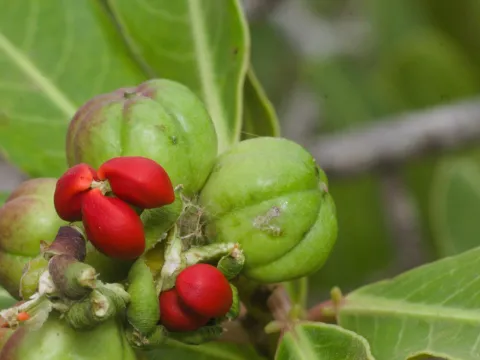
Jamaican sapium (Sapium jamaicense) is a woody plant species that belongs to the Euphorbiaceae family. It is a distinctive tropical tree recognized for its biological efficiency and presence of milky latex, which is a hallmark feature of this specific taxonomic group.
The plant is native to the Caribbean region, with a primary distribution range centered on Jamaica. It thrives in tropical rainforest conditions and maritime climates where the lack of severe temperature fluctuations allows for continuous growth throughout the seasons, provided that moisture levels are sufficient.
Botanically, Sapium jamaicense is characterized by its alternate, leathery leaves and small flowers arranged in spikes. The tree structure is robust, enabling it to survive in varied terrain. It possesses a complex root system that effectively secures the plant in tropical soils, ranging from alluvial plains to more challenging rocky slopes.
Successful cultivation requires specific environmental parameters, primarily high humidity and consistent warmth. Agronomic management involves site selection to ensure excellent drainage, as the species is sensitive to waterlogged conditions that can cause root rot. Pruning is essential to manage canopy density and encourage vertical growth in forest plantations.
Economically, the species is valued for its timber, which is utilized in various woodcraft industries. Furthermore, the tree is subject to ongoing research regarding its biochemical profile, particularly the secondary metabolites found in its tissues, which have potential applications in specialized chemical manufacturing and sustainable wood products.
- High demand for constant thermal energy.
- Requires well-drained loamy to sandy soils.
- Resistance to common tropical pests when managed properly.
- Significant potential in forestry and wood production.
Photo gallery