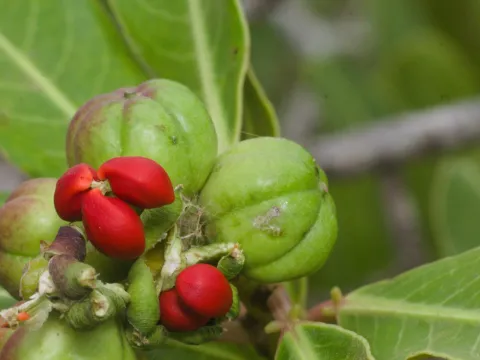

Sapium lanceolatum
Sapium lanceolatum
Description
Sapium lanceolatum is a woody perennial species classified within the Euphorbiaceae family. This plant is taxonomically significant due to its specialized vascular system, which produces a characteristic latex, a feature common to many members of the spurge family found in tropical environments.
The species originates from the tropical regions of South America, with its primary natural range concentrated in the river basins of Brazil. It has evolved to thrive in riparian zones, demonstrating a remarkable tolerance for wet soil conditions and seasonal flooding, which are prevalent in its native tropical habitat.
Botanically, the plant is recognized by its lanceolate leaves and robust architectural structure. It typically develops into a medium-sized tree with a dense canopy. The inflorescences are characterized by small, inconspicuous flowers that facilitate efficient reproduction within the tropical forest canopy layers.
Successful cultivation of Sapium lanceolatum requires a tropical climate characterized by consistently high temperatures and adequate annual precipitation. Agronomic practices emphasize the importance of fertile, moisture-retentive soils. Maintenance includes monitoring for appropriate soil drainage and providing structural support for young trees to ensure healthy development.
Economically, the species is primarily valued for its timber, which is utilized in construction and specialized carpentry. Furthermore, it plays a role in environmental restoration projects within its native range. Growers should remain vigilant regarding common pests such as borers and fungal pathogens, which can affect the tree's vascular system in poorly ventilated areas.
Photo gallery