Sarcomphalus obtusifolius
Sarcomphalus obtusifolius
Description
Sarcomphalus obtusifolius is a perennial woody plant belonging to the Rhamnaceae family. This species, historically associated with the Ziziphus genus, possesses distinct biological markers that facilitate its survival in challenging arid environments. It is recognized for its robustness and ability to thrive in poor soil conditions.
The plant originates from the tropical regions of the Americas, specifically inhabiting areas with limited seasonal rainfall. Its distribution range is a testament to its evolutionary success in high-temperature environments. It serves as a vital component of the local ecosystem, providing shelter and forage for various animal species.
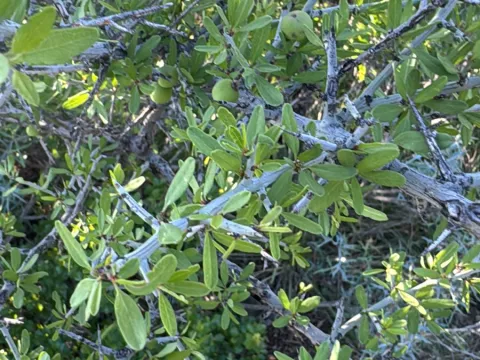
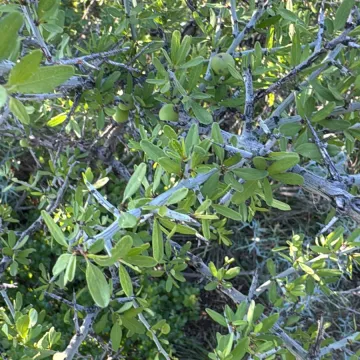
Botanically, it is characterized by its obtuse-shaped leaves, which are adapted to reduce transpiration. The tree develops a complex root system capable of accessing deep groundwater, allowing it to survive prolonged droughts. Its bark is thick, offering protection against thermal stress and physical damage.
Cultivation of this species requires minimal intervention provided the site selection is correct. It thrives in well-drained, sandy, or stony substrates. Over-irrigation is a common pitfall; therefore, maintaining dry soil conditions around the root collar is essential for plant health. Regular pruning is recommended to encourage structural integrity and fruit development.
The economic significance of the species includes:
- Timber production: The wood is highly valued for its density and durability.
- Agroforestry: Used for windbreaks and soil erosion control in degraded lands.
- Forage: Fruits are consumed by livestock, providing essential nutrients during the dry season.
- Ecological restoration: Its resilience makes it an ideal candidate for reforestation projects.
Pest management focuses primarily on preventing infestations by wood-boring insects, which can weaken the tree's structure. Fungal infections may occur if humidity levels become excessively high for prolonged periods. Maintaining good air circulation within the canopy and performing regular sanitation pruning are the most effective management practices.
Photo gallery