Pale trumpet pitcher plant
Sarracenia alata
Description
Sarracenia alata, commonly known as the pale trumpet pitcher plant, is a perennial carnivorous plant belonging to the Sarraceniaceae family. Unlike traditional agricultural crops, this species is cultivated as a botanical specimen in nurseries, specialized greenhouses, and private collections dedicated to carnivorous flora.
The plant originates from the southeastern United States, specifically inhabiting the wet pine savannas of Louisiana, Mississippi, and Alabama. Its natural habitat consists of nutrient-poor, acidic soils in moist environments. It has adapted to these harsh conditions by evolving specialized leaf structures to capture prey for supplemental nutrition.
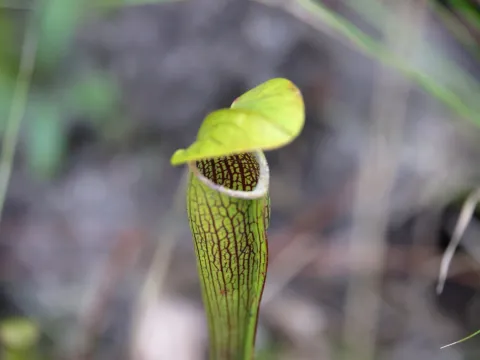
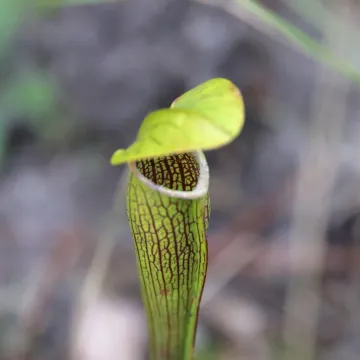
Botanically, the plant is characterized by its trumpet-shaped pitchers, which can reach heights of up to 60 centimeters. The color palette typically ranges from light yellow to pale green, often marked by delicate veins. The plant possesses a rhizomatous root system that requires specific soil conditions to maintain proper hydration and growth.
Agricultural success with Sarracenia alata depends on mimicking its natural bog environment. The potting medium must be nutrient-free, composed exclusively of peat moss and perlite. Fertilizers are strictly forbidden, as they can cause chemical burn to the root system. Watering must be performed only with distilled, rainwater, or reverse-osmosis water to avoid mineral accumulation.
Common issues include fungal infections caused by poor air circulation or over-saturation, as well as infestations of aphids or spider mites. Maintaining stable conditions, providing maximum sunlight exposure, and ensuring consistent high humidity are the primary objectives for the successful cultivation of this rare and captivating plant species.
Photo gallery