White-topped pitcher plant
Sarracenia leucophylla
Description
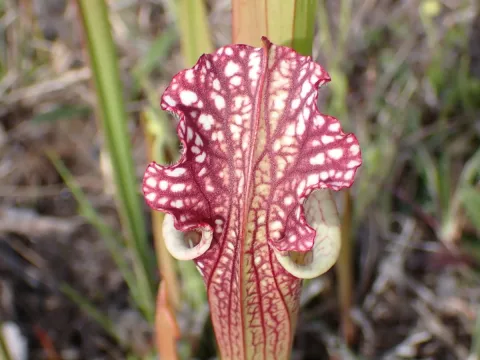
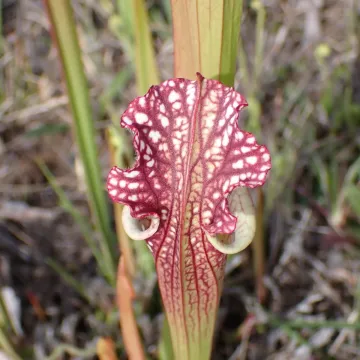
Sarracenia leucophylla, known as the white-topped pitcher plant, is a carnivorous herbaceous perennial plant belonging to the family Sarraceniaceae. It is highly valued for its striking appearance, characterized by white, reticulated patterns at the top of its tubular leaves, which make it one of the most distinctive species in the genus.
The native habitat of this plant is restricted to the southeastern United States, specifically in wet pine savannas and boggy environments. Over time, it has evolved to thrive in nutrient-poor, acidic soils, compensating for the lack of minerals by trapping and digesting insects to meet its nutritional requirements.
Botanically, the species features a rhizomatous structure with tall, trumpet-shaped leaves that can reach up to 90 cm in height. The "hood" of the leaf helps regulate the amount of water entering the pitcher, preventing the dilution of the digestive enzymes located at the bottom. In spring, the plant produces large, showy, deep red or purple flowers before the full development of the year's pitchers.
Successful cultivation requires strict adherence to specific agricultural standards. The medium must be a nutrient-free mix, typically composed of peat moss and perlite. The plant must be kept consistently moist using only distilled or rainwater, as tap water containing minerals or chlorine will cause damage to the delicate root system.
The primary use of Sarracenia leucophylla is ornamental, serving as a flagship species for carnivorous plant collections and bog gardens. Producers must monitor for common threats such as aphids, scale insects, and fungal diseases like Rhizome rot, which often occur when stagnant, humid air conditions are not mitigated by proper airflow.
- Growth medium: acidic peat moss, zero mineral fertilizers.
- Hydration: constant moisture, standing water is acceptable.
- Light exposure: full sun is essential for optimal color.
- Winter care: requires a dormant period with cooler temperatures.
- Common pests: aphids, spider mites, mealybugs.
Photo gallery