Sasa borealis
Sasa borealis
Description
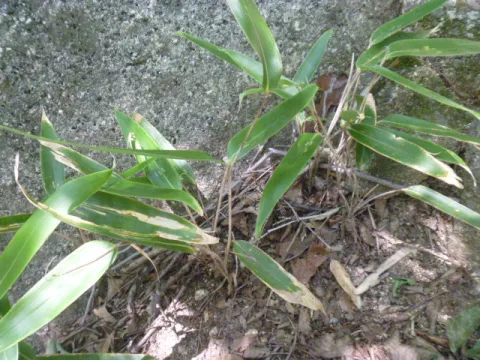
Sasa borealis, commonly referred to as the Jiri bamboo, is a species of perennial evergreen plant belonging to the Poaceae family. Unlike towering bamboo species, this is a dwarf shrub-like bamboo that thrives in dense, low-growing colonies, making it a distinctive and highly resilient representative of the bamboo subfamily.
This species is native to East Asia, primarily originating from the Korean Peninsula, where it dominates the understory of mountainous forests. It has evolved to survive in temperate climates with cold winters, which makes it one of the few bamboo species capable of enduring frost while maintaining its vigorous growth pattern throughout the growing season.
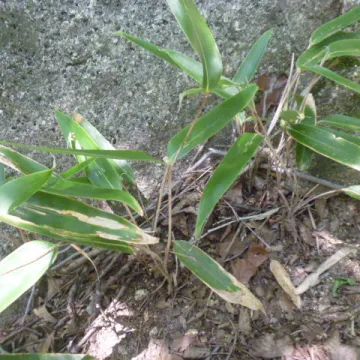
Botanically, it is characterized by creeping rhizomes that spread underground, producing numerous stems that typically reach a height of 30 to 100 cm. The foliage is deep green, lance-shaped, and provides significant ground cover. The plant's architecture allows it to form dense, impenetrable thickets that effectively suppress competing weed species.
Cultivation requires fertile, moist, and well-drained soils. Sasa borealis thrives in partial shade, as intense sunlight and heat can stress the plants. Agronomic practices include periodic thinning of stems to maintain vigor, regular irrigation during dry spells, and the use of organic mulch to protect the shallow root system from extreme temperature fluctuations.
The primary agricultural and economic uses include:
- Erosion control on steep slopes and embankments.
- Landscaping and ornamental garden design for shade-loving ground cover.
- Extraction of natural compounds for pharmaceutical and food additive industries.
- Small-scale production of fiber for artisanal crafts and traditional weaving.
The plant is relatively hardy but can be susceptible to common bamboo pests such as aphids and spider mites, particularly in poorly ventilated or excessively dry conditions. Leaf spot diseases may occur in stagnant, waterlogged soils. Maintaining proper spacing and ensuring adequate soil drainage is the most effective way to prevent these issues and ensure healthy development.
Photo gallery