Sasa veitchii
Sasa veitchii
Description
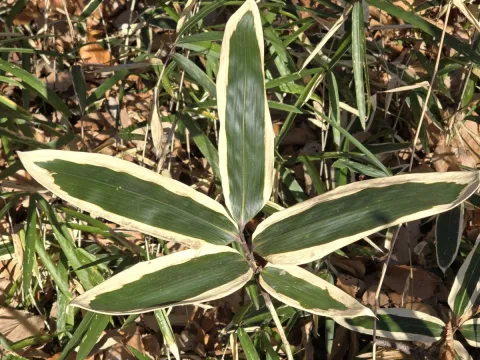
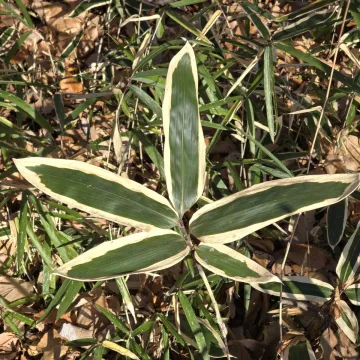
Sasa veitchii is a species of dwarf bamboo within the Poaceae family. Known for its aesthetic appeal, it is widely recognized by its distinctive winter foliage: the edges of the broad, dark green leaves dry out and turn white as temperatures drop, creating a beautiful variegated effect that lasts throughout the cold season.
This species is native to the forests of Japan. In its natural habitat, it thrives as an understory plant, spreading vigorously through its rhizome system. Because of its adaptability and compact growth habit, it has become a popular choice for gardeners across various temperate regions looking for low-maintenance, ornamental ground cover.
Botanically, the plant is characterized by slender, erect stems that typically reach heights between 30 and 100 cm. The rhizomes are leptomorph (running), which means the plant can spread rapidly if not contained. The leaves are broad and leathery, providing a lush appearance that stands out in woodland garden designs or as a base layer under larger ornamental trees.
Cultivation requirements include a semi-shaded location and nutrient-rich, moist, but well-draining soil. Sasa veitchii is relatively hardy, but it prefers protection from harsh, drying winds and excessive winter exposure. Consistent soil moisture is essential during the first years of establishment, although mature stands can tolerate short periods of dryness.
A successful cultivation program requires monitoring for pests such as spider mites and aphids, especially in dry, hot weather. Regular maintenance should include:
- Physical barriers to contain the aggressive rhizomes.
- Spring pruning to remove old, tattered foliage and encourage fresh growth.
- Applying organic fertilizer during the early spring to promote stem development.
- Monitoring for fungal leaf spots during wet, humid summers.
Photo gallery