
Lizard's tail
Saururus cernuus
Description
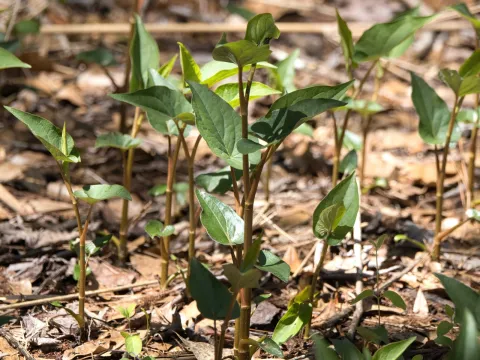
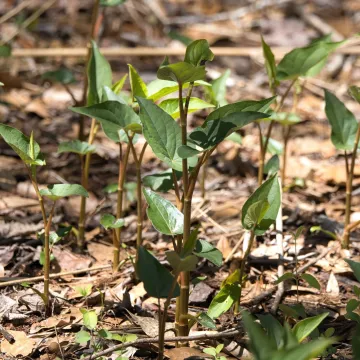
Lizard's tail (Saururus cernuus) is a perennial herbaceous plant belonging to the family Saururaceae. It is a quintessential aquatic or semi-aquatic plant, naturally found in wet environments where it thrives in saturated soils or shallow standing water.
The species is native to North America, where it is commonly found in wetlands, swamps, and along the margins of ponds and streams. Due to its unique appearance and high adaptability to wet conditions, it has become a popular choice for aquatic gardening and large-scale water features globally.
Botanically, the plant is characterized by its heart-shaped leaves and long, white, nodding flower spikes that resemble a lizard’s tail, which gives the plant its common name. The plant grows typically to a height of 2 to 3 feet and spreads through vigorous rhizomes, forming dense, lush colonies in favorable conditions.
Cultivation requirements focus on moisture management. This plant demands consistently damp soil or shallow water, generally no deeper than 6 inches for optimal growth. While it prefers full sun for maximum blooming, it is surprisingly resilient in partial shade. Proper soil composition should be rich in organic matter to mimic its natural wetland habitat.
- Enhancing natural pond filtration and water quality.
- Landscaping in rain gardens and stormwater basins.
- Decorative planting for marginal aquatic zones.
- Restoration of wetland habitats.
Lizard's tail is relatively resistant to major agricultural diseases and pests. However, it can occasionally be affected by leaf spots or common aquatic insects if the water quality is poor. Maintenance is minimal, primarily involving the thinning of rhizomes if the plant becomes too invasive in a controlled garden setting.
Photo gallery