
Description
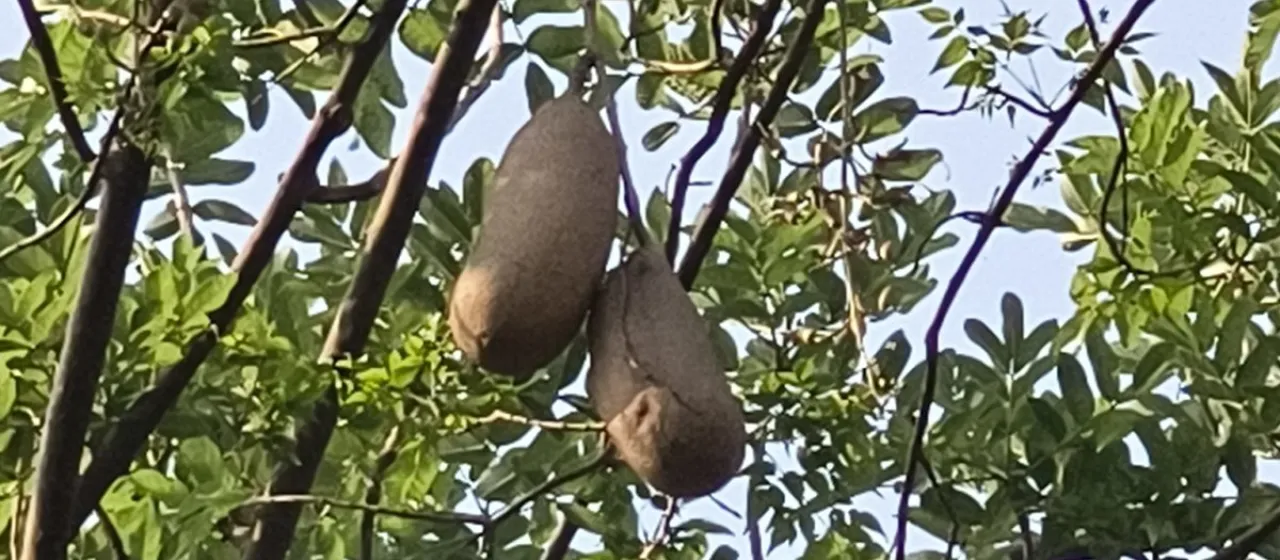
The African sausage tree, scientifically known as Kigelia africana, is a fascinating member of the Bignoniaceae family. It is widely recognized for its unique, large, sausage-shaped fruits that hang from long, flexible stems, making it one of the most distinctive trees in the tropical landscape.
Native to tropical Africa, this tree thrives in savannahs and riverine habitats where moisture is readily available. It is primarily cultivated in tropical regions globally, as the species is highly intolerant of frost and requires consistently warm temperatures to support its vigorous vegetative growth throughout the year.
Botanically, Kigelia is a robust tree that can reach significant heights. It features deep green, pinnate leaves and striking, trumpet-shaped maroon flowers. These flowers are nocturnally active, secreting nectar that attracts bats, which act as the primary pollinators for the plant, ensuring its reproductive success.
Agricultural success depends on providing deep, fertile soils with excellent drainage. While the plant is drought-tolerant once established, it responds well to supplemental irrigation during the dry season. Regular monitoring for pests such as scale insects or aphids is recommended to maintain tree health in plantations.
The plant holds significant economic potential, particularly in the cosmetic and medical industries. Extracts from the fruit are highly valued for their anti-inflammatory and skin-firming properties. Beyond its pharmaceutical uses, the timber is utilized for crafting local tools, and the tree itself serves as a crucial component of the local ecosystem.
- Requires full sun exposure for optimal fruit production.
- Sensitive to waterlogging in clay-heavy soils.
- Needs significant space due to its broad canopy.
- Propagated through seeds or hardwood cuttings.