Saussurea pulchella
Saussurea pulchella
Description
Saussurea pulchella is a perennial herbaceous plant classified within the Asteraceae family. Known for its distinct morphological traits and adaptability, this species serves as an essential botanical resource in its native regions, playing a significant role in local ecosystems and potential agricultural applications.
Originating from East Asia, including regions across Russia, China, and Korea, Saussurea pulchella is typically found in diverse habitats ranging from meadows and steppe slopes to forest margins. It thrives in temperate climates, showing significant resilience to variations in seasonal temperatures and soil composition, provided the drainage is adequate.
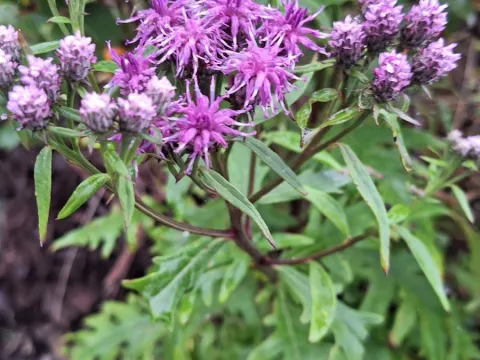
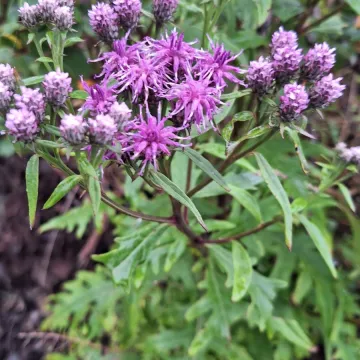
Botanically, the plant is characterized by a slender, erect stem reaching heights of 30 to 80 cm. The leaves are generally lanceolate, often exhibiting a dentate margin. The inflorescences consist of small, vibrant purple or pink capitula, which are highly attractive to pollinators. The plant’s root system is well-adapted for nutrient absorption in varied soil types, contributing to its status as a robust grower.
The agronomy of Saussurea pulchella involves selecting well-lit areas with fertile, well-drained loam. While the plant is hardy, early-stage development is sensitive to competition from weeds. Farmers are advised to implement regular inter-row cultivation and ensure proper hydration during the flowering period to maximize plant health and nectar production.
The plant is highly valued for its multifaceted uses. Its primary role in agricultural landscapes is as a late-summer honey plant, which is crucial for maintaining bee populations. Additionally, the species contains bioactive compounds useful in traditional medicinal practices. Common pests include aphids, while fungal pathogens may occur in overly wet, stagnant conditions, making field hygiene and moisture control essential for successful cultivation.
Photo gallery