Saussurea triptera
Saussurea triptera
Description
Saussurea triptera is a perennial herbaceous plant belonging to the Asteraceae family. Widely recognized in botanical circles, this species is increasingly valued as a specialized agricultural crop cultivated for its secondary metabolites, which are essential for various medicinal applications in traditional and modern herbalism.
The plant originates from the high-altitude regions of East Asia, primarily within China. Its natural habitat is characterized by thin air, significant daily temperature fluctuations, and high levels of ultraviolet exposure. This environmental background has shaped the plant’s genetic resilience and its unique chemical profile, which is highly sought after by the pharmaceutical industry.
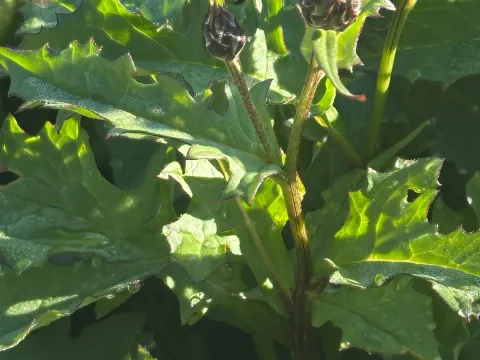
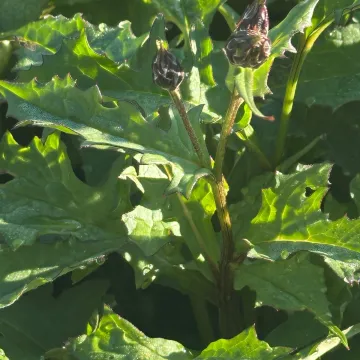
Botanically, it is distinguished by its erect stems featuring prominent winged appendages, from which its Latin name is derived. The leaves are typically arranged in an alternate pattern and are often pubescent, serving as an evolutionary defense against moisture loss. During the reproductive phase, the plant develops dense, colorful flower heads that are typical of the Saussurea genus.
Cultivation requirements for Saussurea triptera are specific: it thrives in well-draining, nutrient-rich soils with a neutral pH level. As a mountain species, it demands cool growing conditions and excellent air circulation to thrive. Agricultural practices should focus on preventing root saturation and ensuring proper spacing between plants to mitigate the risk of fungal outbreaks.
The primary economic use of this crop is the harvest of its aerial parts for medicinal production. Common plant health issues include root rot and leaf blight caused by excessive dampness, as well as infestations by local insects typical of high-altitude zones. Regular monitoring and adherence to sustainable farming techniques are essential to maintain high-quality crop yields.
Photo gallery