Saxifraga cebennensis
Saxifraga cebennensis
Description
Saxifraga cebennensis is a perennial herbaceous plant belonging to the Saxifragaceae family. It is a specialized alpine species, naturally adapted to the harsh environmental conditions of high-altitude limestone cliffs and scree slopes, which defines its unique physiological characteristics.
The plant originates from the mountainous regions of France, specifically the Cévennes range. Its habitat is characterized by poor, rocky soil and extreme exposure to wind and sun. Being a calcicole species, Saxifraga cebennensis thrives in environments where calcium-rich rock substrates provide the necessary chemical and physical stability for its root system.
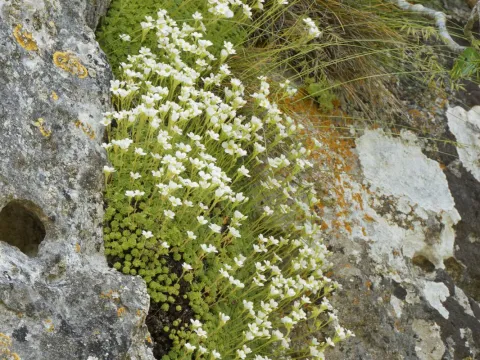
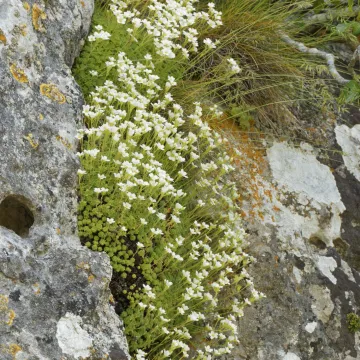
Botanically, it forms dense, cushion-like mats made of basal rosettes of rigid, serrated leaves. During the blooming season, it produces slender stems bearing delicate white flowers. These structures are optimized to survive in extreme microclimates, where water availability is intermittent and the growing season is relatively short.
Agricultural and horticultural requirements for this species are centered on simulating its native environment. A perfectly drained substrate is paramount, as waterlogged soil leads to rapid root decay. The ideal growing medium should be a gritty, alkaline mixture. It requires a sunny, airy position in a rock garden, as stagnant air can lead to fungal infections and decline.
The primary use of Saxifraga cebennensis is as a highly sought-after plant for alpine gardens and rockeries. When cultivating this species, growers must be aware of potential management issues:
- Root rot caused by excessive soil moisture during the dormant season.
- Susceptibility to spider mite infestations in poorly ventilated or overly dry environments.
- Sensitivity to heavy organic fertilizers, which can cause excessive growth and loss of compactness.
Photo gallery