Tufted saxifrage
Saxifraga cespitosa
Description
Tufted saxifrage (lat. Saxifraga cespitosa) is a perennial herbaceous plant belonging to the Saxifragaceae family. Known for its mat-forming growth habit, it is a popular choice for rock gardens and alpine displays where it creates dense, moss-like carpets that thrive in challenging rocky environments.
The plant originates from arctic and alpine regions across the Northern Hemisphere. This evolutionary history provides the species with significant cold tolerance, making it an excellent candidate for cultivation in cooler climates where other decorative plants might struggle with harsh winter temperatures.
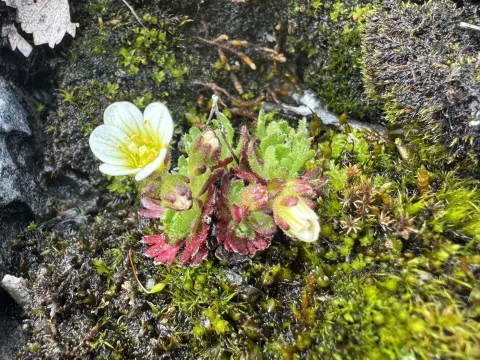
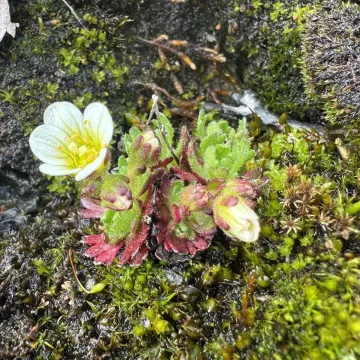
Botanically, the plant consists of crowded rosettes of leaves that produce short, upright stems. The foliage is typically three-to-five-lobed. During the late spring and early summer blooming season, the plant produces small, white or yellowish-white flowers that emerge just above the foliage mat.
Agrotechnical requirements focus primarily on soil structure and moisture management. It requires gritty, well-draining soil that mimics its natural habitat. Overwatering or heavy, water-retentive clay soils are detrimental to the plant’s root system. A location with partial shade or exposure to morning sun is ideal to prevent heat stress.
In terms of health and maintenance, the plant is relatively low-maintenance, though it is susceptible to fungal rots if drainage is compromised. Regular division every few years helps rejuvenate old patches and encourages vigorous growth. Ensuring proper air circulation around the rosettes is key to preventing common pests like aphids or spider mites.
Photo gallery