Continental saxifrage
Saxifraga continentalis
Description
Continental saxifrage (Saxifraga continentalis) is a herbaceous perennial plant belonging to the Saxifragaceae family. Within ornamental horticulture, this species is highly regarded for its ability to thrive in demanding environments, making it a staple for collectors of rock garden flora and alpine specialists.
The species originates from mountain regions across Eurasia, where it adapted to survive in harsh, rocky crevices and gravelly soils. Its distribution today is primarily found in managed landscapes and rockeries in temperate regions, where it is valued for its resilience and ability to withstand significant temperature fluctuations.
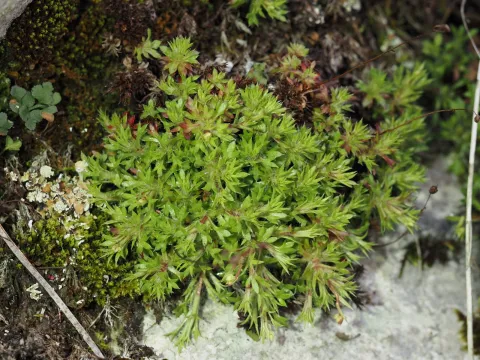
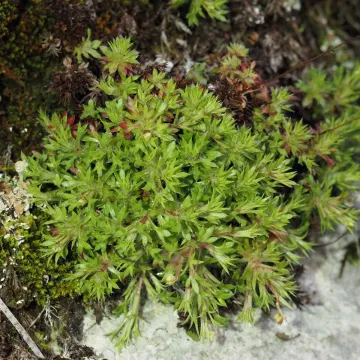
Botanically, the plant is characterized by its tight, basal rosettes of leaves that serve to protect the roots from desiccation and mechanical damage. During the growing season, it produces slender stalks bearing clusters of small, delicate flowers, which contribute to its overall charm in a garden setting.
Agronomic requirements are centered around the mimicry of its natural habitat. The soil must be highly porous, offering excellent drainage to prevent the accumulation of stagnant water, which is the primary cause of decline in this species. A neutral to slightly alkaline pH is generally preferred for optimal nutrient uptake.
- Placement in a location with partial sunlight and good airflow.
- Avoidance of heavy, moisture-retaining organic matter in the planting substrate.
- Strategic application of water during dry spells, ensuring the rosettes remain dry.
- Use of mineral-based fertilizers with low nitrogen content to encourage steady growth.
The primary use of the plant is aesthetic, as it is perfectly suited for rock gardens, stone walls, and alpine containers. Common plant health issues include crown rot caused by fungi such as Phytophthora in poorly drained soils, while pests like spider mites may occasionally affect the foliage during prolonged hot and dry periods.
Photo gallery