Saxifraga cymbalaria
Saxifraga cymbalaria
Description
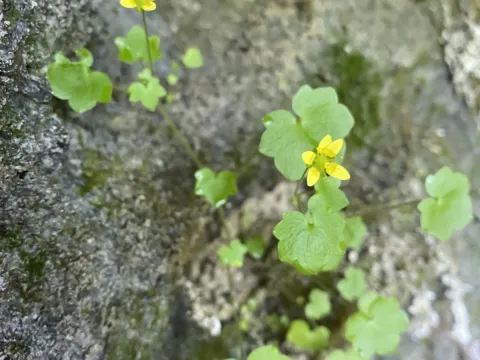
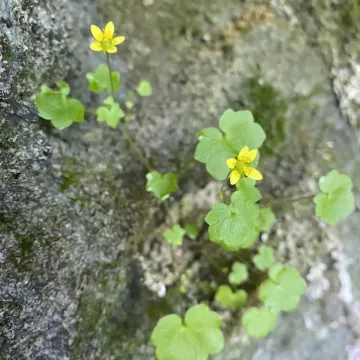
Saxifraga cymbalaria, commonly known as the cymbal-leaved saxifrage, is a charming annual herbaceous plant belonging to the Saxifragaceae family. In gardening, this species is highly valued for its ability to form delicate, bright green carpets that are adorned with numerous small, golden-yellow flowers, adding vibrancy to shaded garden areas.
The native range of this species extends across the Caucasus, Asia Minor, and the Middle East. It typically thrives in moist environments, such as rock crevices, along stream banks, and in sheltered mountain gorges. These natural habitats dictate its specific cultural requirements, as it is perfectly adapted to cool and damp conditions.
Botanically, Saxifraga cymbalaria is characterized by fragile, prostrate stems and rounded, kidney-shaped leaves with crenate margins. Its root system is shallow, allowing it to absorb moisture efficiently from the upper soil layers. The flowering period occurs during late spring and early summer, providing a consistent display of cheerful blooms that contrast beautifully with its lush foliage.
For successful cultivation, this plant requires semi-shaded or fully shaded locations with loose, fertile, and consistently moist soil. It does not tolerate direct, harsh sunlight or prolonged drought. Agronomic care focuses on maintaining stable soil moisture levels and ensuring the planting site is free from aggressive weeds that could compete with the plant's delicate growth.
The primary use of Saxifraga cymbalaria is ornamental. It is an excellent choice for moist rock gardens, decorating damp retaining walls, or serving as a ground cover in shaded perennial beds. Its ability to self-seed often makes it a reliable choice for long-term landscaping projects in suitable climates, provided that the soil conditions remain stable.
- Excellent shade tolerance.
- Preference for cool, moist substrates.
- Rapid growth habit in spring.
Common issues include fungal diseases caused by poor drainage or excessive humidity, which can lead to root rot. Additionally, mollusks such as slugs and snails are the most frequent pests, as they are attracted to the succulent-like foliage during wet weather. Proper site selection and careful monitoring are key to keeping the plants healthy and vigorous.
Photo gallery