Saxifraga fragilis
Saxifraga fragilis
Description
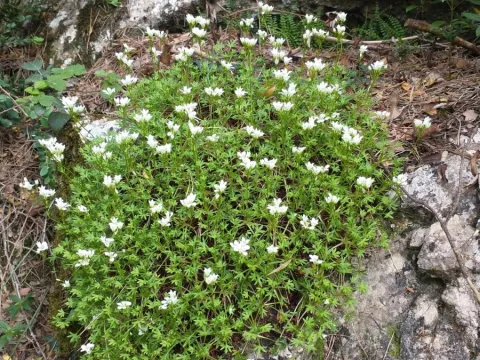
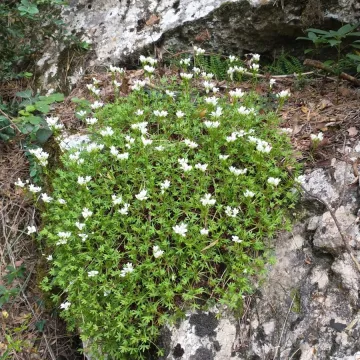
Saxifraga fragilis, commonly known as brittle saxifrage, is a perennial herbaceous plant belonging to the Saxifragaceae family. This species is highly regarded for its compact, cushion-forming habit, making it an excellent candidate for specialized ornamental horticulture, particularly in rock gardens and alpine-style landscapes where its ability to thrive in challenging conditions is fully utilized.
The plant originates from the mountainous regions of Southern Europe, primarily native to rocky outcrops and scree slopes. This natural environment has shaped its physiological resilience, allowing the plant to withstand significant fluctuations in temperature and periods of limited moisture. In modern agricultural practice, it is cultivated globally by enthusiasts who recreate these alpine microclimates in controlled garden settings.
Botanically, Saxifraga fragilis is defined by its small, fleshy leaves arranged in tight rosettes, often featuring glandular hairs that trap moisture. The root system is relatively shallow, designed to anchor the plant firmly into rock crevices. During its flowering phase, it produces delicate stalks bearing small, typically white to pale-pink flowers, adding a refined visual interest to the garden during the spring and early summer months.
Cultivation requirements focus heavily on drainage. The substrate must be highly porous, consisting of coarse sand, grit, and minimal organic content to prevent root rot. While the plant appreciates direct sunlight to maintain its compact shape, it requires protection from the intense midday sun in hotter climates to prevent leaf scorching. Water management is critical; the soil should be kept lightly moist but never saturated.
In terms of хозяйственное (economic) use, this plant serves the ornamental sector exclusively. It is not a commercial agricultural crop but a valuable botanical asset. Common phytosanitary issues include fungal infections caused by poor air circulation or overwatering. Pests such as spider mites or root aphids are occasional threats that necessitate standard horticultural pest management protocols to preserve plant health.
- Excellent drainage is essential for survival
- Minimal fertilization to avoid excessive growth
- Adaptable to cold mountain climates
- Propagation is best achieved through division or seeds
Photo gallery