Meadow saxifrage
Saxifraga granulata
Description
Meadow saxifrage (Saxifraga granulata) is a perennial herbaceous plant belonging to the Saxifragaceae family. This species is unique for its underground bulbils, which act as a storage organ and a primary method of vegetative propagation, giving the plant its distinct biological classification and name.
The plant is native to Europe and parts of Western Asia and North Africa. It is typically found in diverse habitats, including meadows, grasslands, and open woodlands. Its natural distribution demonstrates a high level of resilience, making it a reliable choice for gardeners looking for hardy spring-flowering species.
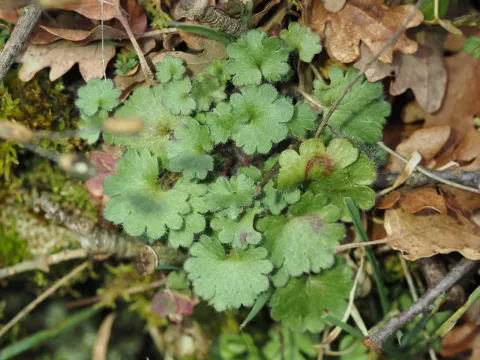
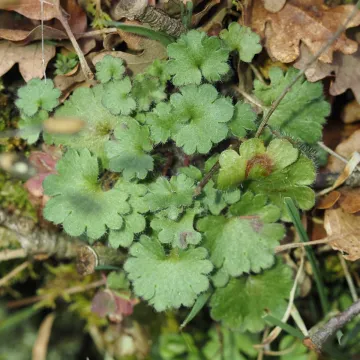
Botanically, the plant features a basal rosette of kidney-shaped, scalloped leaves and an erect, hairy flowering stem that rises to about 20–50 cm. During late spring, the plant produces clusters of delicate, white, five-petaled flowers, which provide a significant aesthetic appeal before the foliage begins to wither away as summer heat approaches.
Successful cultivation requires well-drained, fertile soil that maintains consistent moisture during the spring growing season. While the plant prefers sunny spots, it can tolerate partial shade. Proper site selection is crucial; heavy clay soils that retain water during winter can lead to root rot, so incorporating grit or coarse sand into the planting medium is highly recommended.
The primary use of Saxifraga granulata is in rock gardens, wild meadows, and as part of ornamental borders. Management involves monitoring for common pests, such as aphids during the bloom phase, and ensuring the plants are not overcrowded, which helps prevent fungal issues like powdery mildew, especially in regions with high humidity.
Photo gallery