Saxifraga intricata
Saxifraga intricata
Description
Saxifraga intricata is a perennial herbaceous plant belonging to the Saxifragaceae family. Known for its compact and dense growth habit, it forms low-lying mats of foliage that make it an exceptional choice for rock gardens and crevices. This species is highly valued by horticulturists for its resilience and unique aesthetic appeal in alpine-style landscapes.
The plant is native to the mountainous regions of Spain, specifically adapted to the harsh conditions of the Iberian Peninsula. Its natural habitat consists of rocky outcrops, scree slopes, and poor soils. This evolutionary background has equipped the species with the ability to thrive in environments where resources like water and nutrients are seasonally scarce.
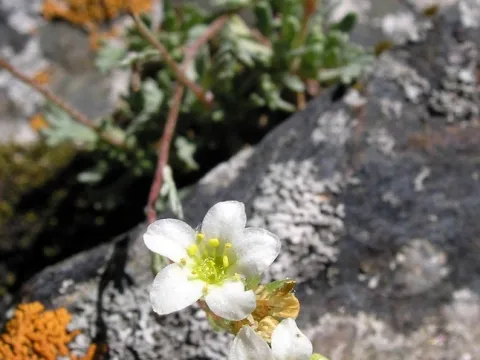
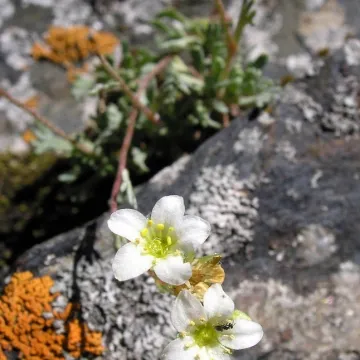
Botanically, Saxifraga intricata is characterized by small, often glandular-pubescent leaves arranged in tight rosettes. During the flowering period, it produces delicate, small flowers, typically white or cream-colored, which rise slightly above the foliage. Its shallow but efficient root system allows it to anchor firmly in rocky substrates, making it perfect for vertical or horizontal stone surfaces.
Agricultural and gardening requirements for this plant focus heavily on drainage. It is imperative to use a gritty, well-draining substrate to prevent root rot. While the species is quite hardy, it thrives best in locations with full to partial sun exposure. Excessive humidity, particularly in winter, can be detrimental to its health, so proper site selection is crucial.
In terms of practical application, it is used exclusively in ornamental gardening. It serves as a classic choice for rockeries, troughs, and alpine beds. Beyond aesthetics, it is functional in stabilizing loose soil on slopes and providing a low-maintenance ground cover that suppresses weeds in rocky settings.
- High adaptability to poor soil conditions.
- Low water requirement once established.
- Excellent performance in rock crevices.
- Winter hardy in suitable climate zones.
The plant is relatively resistant to major pests, but gardeners should monitor for slugs and snails during wet weather, as these can cause significant foliage damage. Common diseases typically stem from overwatering, leading to fungal pathogens affecting the crown and roots. Providing good airflow around the plants significantly reduces the risk of such issues.
Photo gallery