Saffron saxifrage
Saxifraga mutata
Description
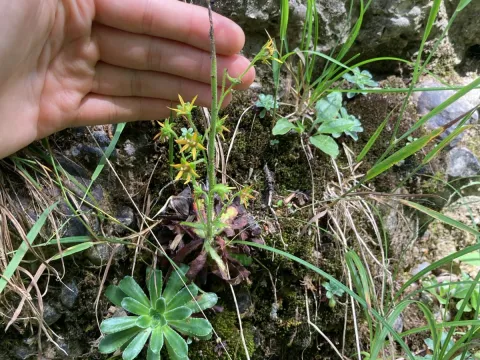
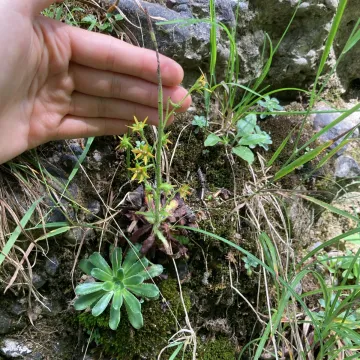
Saffron saxifrage (Saxifraga mutata) is a perennial herbaceous plant belonging to the Saxifragaceae family. This species is indigenous to the mountainous regions of the Alps, where it typically grows in crevice environments and limestone scree slopes. It is a highly specialized plant adapted to survive in environments where most common crops cannot establish.
Botanically, the plant is characterized by a dense rosette of leathery leaves that form the base of the plant. The inflorescence is a branched panicle that produces vibrant yellow or orange-red flowers, which is a distinguishing feature from other similar saxifrage species. Its root system is exceptionally efficient at mining mineral nutrients from tight rock fissures.
The agronomic requirements for Saxifraga mutata revolve around mimicking its native rocky habitat. It demands a growing medium that is extremely well-draining, typically consisting of limestone grit, gravel, and minimal organic matter. It thrives in alkaline soil conditions and must be protected from stagnant moisture, which is the primary cause of plant failure in garden settings.
In terms of climate, the species prefers cool temperatures and high atmospheric humidity typical of alpine zones. It is exceptionally frost-hardy but sensitive to high heat combined with humidity. In garden practice, planting it on a North or North-East facing slope provides the necessary protection from intense direct sun and excessive soil evaporation.
Economically, the species is primarily utilized as a specialty ornamental plant in alpine gardening and botanical collections. It is highly valued for its ability to stabilize small rock terraces and for its visual appeal during the flowering season. Maintenance involves occasional monitoring for pests like spider mites and ensuring the drainage layer remains unobstructed by soil buildup or weeds.
Photo gallery