Shining scabious
Scabiosa nitens
Description
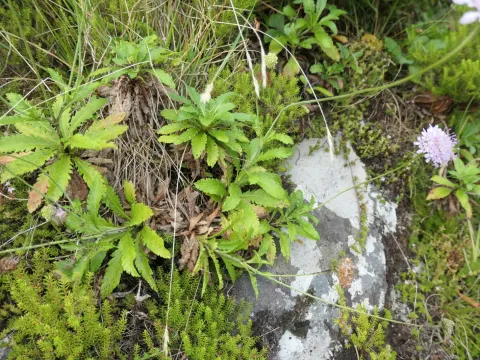
Shining scabious (Scabiosa nitens) is a herbaceous perennial plant belonging to the Caprifoliaceae family. It is widely recognized for its elegant appearance and long-lasting flowering period, making it a popular choice for rock gardens, borders, and naturalistic landscape design.
The origin of this species is linked to the mountain regions of Eurasia. Its natural habitat typically includes dry meadows, rocky slopes, and open steppes. Due to its natural resilience, it is well-adapted to varied climatic conditions, thriving in areas where it can receive plenty of sunlight and benefit from well-drained soil.
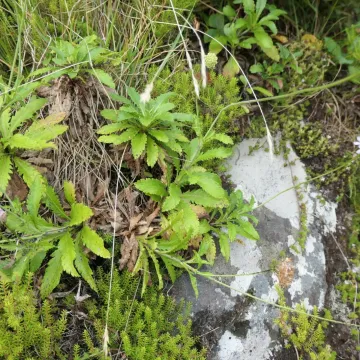
Botanically, Scabiosa nitens features a basal rosette of leaves and upright, branched stems. The inflorescences are distinct, compact flower heads composed of numerous small, tubular florets. The plants typically reach a height of 30–60 cm and are prized for their soft, often fragrant flowers that attract a wide range of pollinators.
Agrotechnical requirements focus on site selection and drainage. The plant is drought-tolerant and performs best in sunny locations with light, alkaline or neutral soil. Over-watering is the primary cause of failure, as the root system is susceptible to decay in waterlogged conditions. Regular cultivation and soil aeration are recommended to maintain plant vigor.
- Ensure full sun exposure for optimal flower production.
- Apply mulch to prevent weeds and maintain soil moisture balance.
- Deadhead spent blossoms to encourage secondary blooming.
- Space plants adequately to ensure good air circulation.
Regarding plant health, the most common concerns include powdery mildew during humid summers and aphid infestations on tender growth. Integrated pest management, including regular inspection and the use of targeted treatments when necessary, ensures the longevity of the plant. Beyond ornamental use, it serves as a high-quality nectar source for various beneficial insects.
Photo gallery