Scapania compacta
Scapania compacta
Description
Scapania compacta is a liverwort species belonging to the Scapaniaceae family. While not a conventional agricultural crop in the sense of food production, it is a significant plant for specialized sectors, including ecological restoration, environmental monitoring, and advanced horticultural landscaping.
This species is primarily found in temperate regions across Europe, thriving in habitats characterized by high atmospheric humidity and cool climates. It demonstrates a strong preference for acidic, rocky substrates and often colonizes cliff crevices and damp hillsides, where it acts as a pioneer species in colonizing barren landscapes.
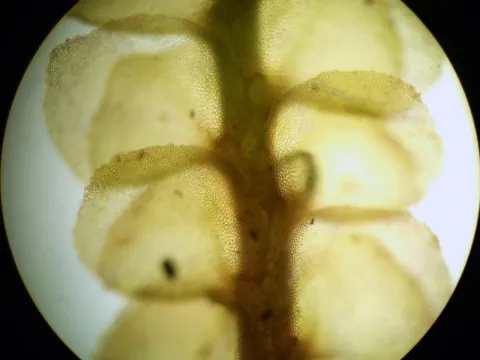
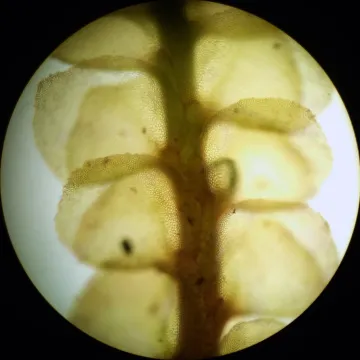
The botanical structure of Scapania compacta is distinguished by its dense, imbricated, bilobed leaves that grow along the stem. The plants usually form compact mats or turfs, which can shift in color from dark green to reddish-brown depending on exposure to sunlight and moisture availability. Reproduction occurs via spores and efficient vegetative fragmentation.
Agricultural techniques for maintaining this culture involve strict environmental controls. A moist, shaded environment is essential, as the species is highly sensitive to desiccation and direct solar radiation. The growing medium should mimic its natural environment: highly acidic, well-draining, and low in inorganic minerals, ensuring that moisture is retained without causing root rot.
In terms of хозяйственное (utility) use, the plant is valued for its capacity to stabilize soils and prevent erosion in sensitive habitats. Furthermore, it serves as a biological indicator of air quality and habitat health. Disease control focuses on preventing fungal outbreaks associated with stagnant water, while the species remains relatively resistant to insect pests due to its specific chemical composition.
Photo gallery